How Thailand Uses Precision Medicine for Personalised Patient Care
Last updated: 24 Jul 2026
2 Views

How Thailand Uses Precision Medicine for Personalised Patient Care
Discover How Precision Medicine Is Transforming Healthcare for International Patients in Thailand
Healthcare is moving away from a "one-size-fits-all" approach. Today, advances in medical science allow doctors to tailor prevention, diagnosis, and treatment plans to the unique characteristics of each patient. This approach—known as precision medicine or personalised medicine—is helping improve decision-making across many areas of healthcare.
Thailand has embraced this evolution by investing in advanced diagnostic technologies, molecular medicine, digital healthcare, and multidisciplinary care. Many leading hospitals now integrate precision medicine into selected specialities, giving patients access to more individualised care while supporting Thailand's position as one of Asia's leading medical tourism destinations.
Although precision medicine is not appropriate or necessary for every condition, it has become an important part of modern healthcare for selected patients.
What Is Precision Medicine?
Precision medicine is a medical approach that considers a person's individual characteristics when planning healthcare.
These characteristics may include:
- Medical history
- Family history
- Lifestyle factors
- Environmental exposures
- Laboratory findings
- Imaging results
- Certain genetic or molecular information, when clinically appropriate
By combining these sources of information, healthcare professionals can make more informed decisions about diagnosis, treatment, and long-term care.
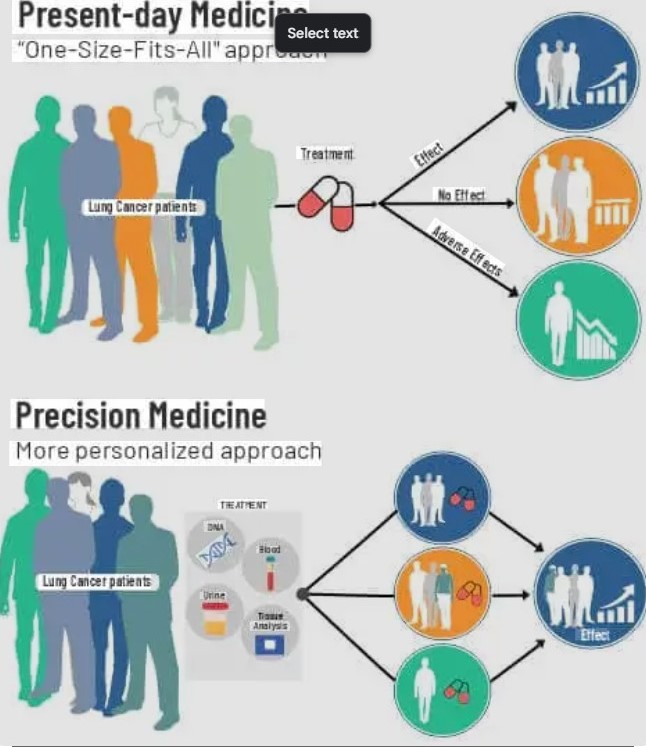
Precision Medicine vs Personalised Medicine
The terms are often used interchangeably.
Generally:
- Precision medicine refers to using detailed clinical, molecular, or genetic information to guide care.
- Personalised medicine emphasises tailoring healthcare to the individual patient.
In practice, both approaches focus on delivering care that is better suited to each person's unique circumstances.

Why Precision Medicine Matters
Traditional treatment approaches may not produce the same results for every patient.
Precision medicine aims to help clinicians:
- Select appropriate treatments
- Reduce unnecessary interventions
- Improve diagnostic accuracy
- Monitor disease progression
- Support preventive healthcare
- Improve long-term disease management
Treatment decisions are always based on clinical judgment, current medical evidence, and the patient's individual needs.
Technologies Supporting Precision Medicine in Thailand
Leading hospitals in Thailand continue to adopt advanced technologies that support personalised healthcare.
These may include:
- Advanced Diagnostic Imaging
- Modern imaging technologies such as:
- MRI
- CT scanning
- PET-CT
- Ultrasound
- Digital radiology
help physicians evaluate diseases with greater accuracy.

Molecular Diagnostics
For selected conditions, molecular testing can provide additional information about disease characteristics that may help guide treatment decisions.
Examples include certain cancers and some inherited conditions where testing is clinically indicated.
Genomic Medicine
Genomic medicine examines specific genetic information to better understand certain diseases or inherited risks.
Depending on the patient's condition, genetic testing may support:
- Diagnosis of inherited disorders
- Risk assessment for some diseases
- Selection of targeted therapies in certain cancers
- Family counselling when appropriate
Genetic testing is recommended only when there is a clear clinical reason and should be interpreted by qualified healthcare professionals.
Artificial Intelligence (AI)
Artificial intelligence increasingly supports healthcare by assisting clinicians with:
- Medical image analysis
- Pattern recognition
- Risk prediction
- Workflow efficiency
- Clinical decision support
AI complements, rather than replaces, physician expertise.
Precision Medicine in Cancer Care
One of the most established applications of precision medicine is oncology.
For selected patients, doctors may use molecular or genetic information to help determine whether specific targeted therapies are appropriate.
Precision oncology may contribute to:
- More individualised treatment planning
- Better understanding of tumor characteristics
- Monitoring of disease progression
Treatment recommendations vary according to cancer type, stage, and the patient's overall health.
Precision Cardiology
Precision medicine is also influencing cardiovascular care.
Cardiologists may combine:
- Imaging
- Laboratory data
- Clinical history
- Lifestyle factors
- Selected genetic information (when appropriate)
to better assess cardiovascular risk and personalise long-term management.
Precision Orthopedics
Orthopaedic specialists increasingly use personalised approaches by considering:
- Bone quality
- Activity level
- Imaging findings
- Age
- Overall health
- Functional goals
These factors help guide decisions about surgery, rehabilitation, and recovery planning.
Precision Medicine in Preventive Healthcare
Prevention is another area benefiting from individualised care.
Personalised preventive strategies may include:
- Health screening based on age and risk factors
- Lifestyle counseling
- Nutrition planning
- Exercise recommendations
- Vaccination advice
- Chronic disease monitoring
These recommendations are tailored to each patient's health profile rather than using a universal approach.
The Role of Multidisciplinary Teams
Precision medicine relies on collaboration among healthcare professionals.
A multidisciplinary team may include:
- Physicians
- Surgeons
- Medical geneticists
- Pathologists
- Radiologists
- Pharmacists
- Nurses
- Dietitians
- Rehabilitation specialists
Together, they interpret clinical information and develop individualised treatment plans.
Benefits for International Patients
Many international patients choose Thailand because they can access comprehensive care in one destination.
Potential advantages include:
- Coordinated specialist consultations
- Advanced diagnostics
- Modern hospitals
- Personalised treatment planning
- International patient services
- Rehabilitation support
- Follow-up care
These services can help streamline the healthcare journey.
Responsible Use of Precision Medicine
While precision medicine is a rapidly advancing field, it is important to understand its limitations.
Not every patient requires genetic testing or molecular diagnostics, and these tools do not replace clinical examination or standard medical care.
The decision to use precision medicine should always be made by qualified healthcare professionals based on the patient's individual circumstances and current clinical evidence.
Why Thailand Is Advancing Personalised Healthcare
Thailand continues investing in healthcare innovation through:
✔ Modern diagnostic technology
✔ Digital healthcare systems
✔ Molecular diagnostics
✔ Artificial intelligence
✔ Multidisciplinary healthcare teams
✔ International patient services
✔ Advanced medical research
✔ Patient-centred care
These developments strengthen Thailand's position as one of Asia's leading destinations for advanced healthcare.
Frequently Asked Questions
What is precision medicine?
Precision medicine is an approach that uses detailed clinical information—and, in some cases, genetic or molecular data—to help tailor healthcare to an individual's needs.
Is precision medicine used for every patient?
No. Precision medicine is used when it is clinically appropriate and supported by current medical evidence.
Does precision medicine replace traditional healthcare?
No. It complements conventional medical practice and helps healthcare professionals make more informed decisions.
Can international patients access precision medicine in Thailand?
Many leading hospitals offer advanced diagnostic and personalised healthcare services. Availability depends on the specific medical condition and treatment required.
Conclusion
Precision medicine is helping reshape modern healthcare by allowing physicians to make more individualised decisions based on each patient's unique characteristics.
Thailand's investment in advanced diagnostics, molecular medicine, artificial intelligence, and multidisciplinary care is supporting this evolution while strengthening the country's reputation as a global healthcare destination.
Whether you are seeking preventive care, cancer treatment, cardiovascular services, or other specialised medical care, precision medicine may play a role in developing a treatment plan that is tailored to your individual needs.
Discussing your options with experienced healthcare professionals is the best way to determine which diagnostic and treatment approaches are appropriate for your specific condition.
Sources
Related Articles: Advanced Cancer Treatment Options Available in Thailand
Popular Destinations: Affordable Healthcare in Thailand: Quality Care at Lower Costs
Patient Success Stories: Mr. Peter's Cancer Treatment Journey
Related Articles: Advanced Cancer Treatment Options Available in Thailand
Popular Destinations: Affordable Healthcare in Thailand: Quality Care at Lower Costs
Patient Success Stories: Mr. Peter's Cancer Treatment Journey
Tags :
Related Content

Explore the best islands in Thailand for relaxation, wellness, and recovery. Discover peaceful beaches, luxury resorts, healthy cuisine, and unforgettable island experiences.
 Noottie
29 Jun 2026

Learn how comprehensive geriatric assessment, multidisciplinary care, and rehabilitation in Thailand helped one international patient regain mobility and improve his quality of life.
 Petergems
13 Jul 2026

Explore advanced cancer treatment options available in Thailand, including precision medicine, chemotherapy, radiation therapy, robotic surgery, and multidisciplinary oncology care for international patients.
 Thomas K.
11 Jul 2026
