Regenerative Medicine in Thailand | Advanced Healthcare & Research
Last updated: 1 Oct 2026
22 Views

Regenerative Medicine in Thailand: Exploring the Future of Advanced Healthcare
Regenerative medicine in Thailand is an emerging area of healthcare research focused on understanding how cells, tissues, biological signals, and advanced therapies might help repair or restore damaged tissue. Thailand is also developing its regulatory and research infrastructure for Advanced Therapy Medicinal Products (ATMPs), including cell and gene therapies.
For international patients, however, it is important to distinguish between established medical treatments, approved therapies, and investigational regenerative medicine.

What Is Regenerative Medicine?
Regenerative medicine is a broad field that investigates ways to support the body's ability to repair or replace damaged cells and tissues.
Research areas can include:
- Stem-cell and cellular therapies
- Tissue engineering
- Gene therapy
- Advanced biologic therapies
- Regenerative approaches to musculoskeletal conditions
- Research into neurological and other degenerative diseases
Different therapies have very different levels of scientific evidence and regulatory approval.
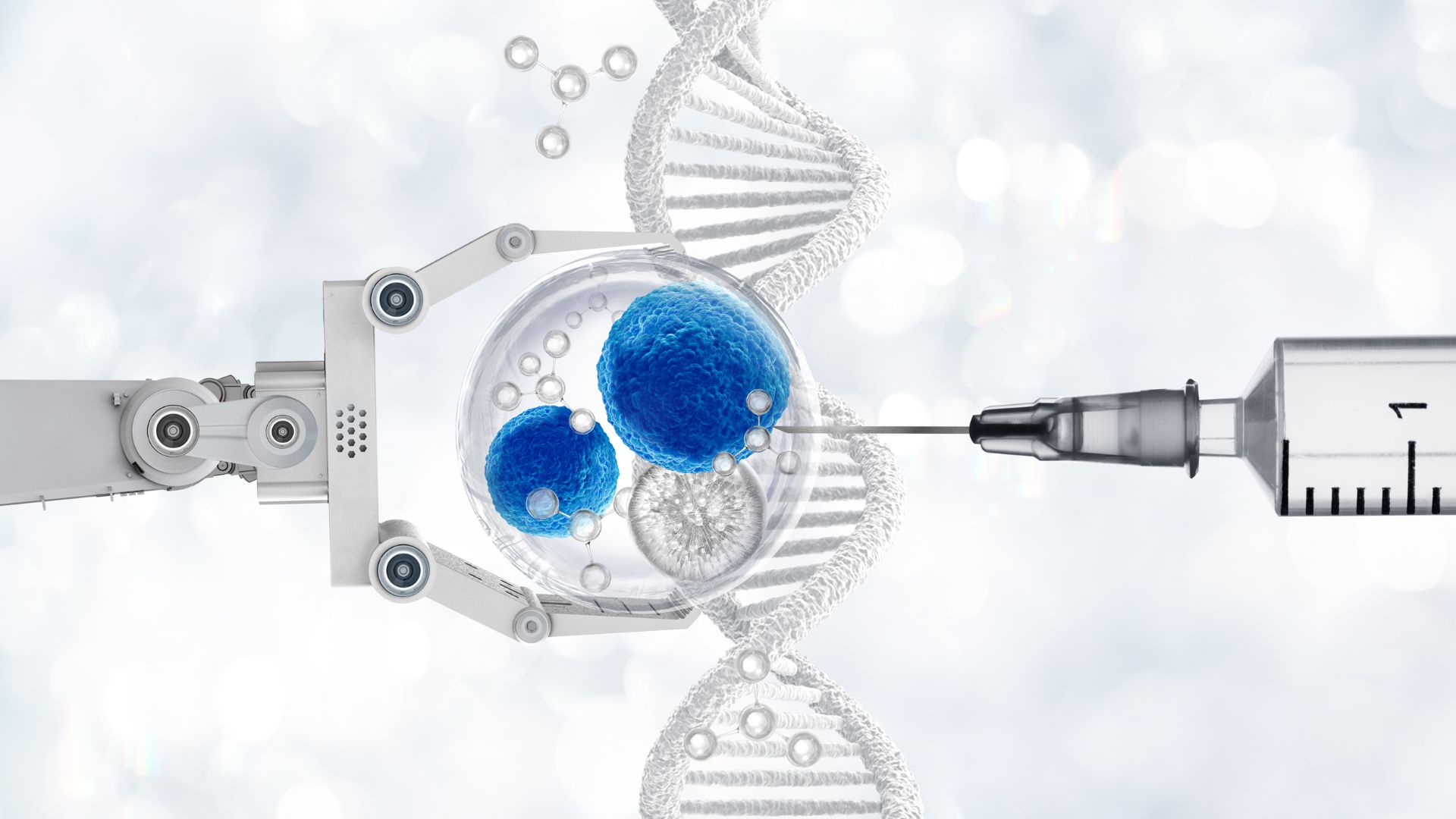
Regenerative Medicine and Stem Cells in Thailand
Thailand has established regulatory pathways for advanced therapies. The Thai FDA provides specific guidance covering cell therapy, gene therapy and other ATMPs, as well as requirements for clinical research and conditional approval.
The Thai Department of Medical Sciences has also published information about mesenchymal stem cells (MSCs) and their sources, including bone marrow, adipose tissue, umbilical cord and other tissues. Importantly, the Department notes that MSC products were not registered as approved stem-cell products in Thailand at the time of its publication and that their therapeutic use is subject to specific medical and research requirements.
This distinction is particularly important for international patients researching commercial "stem cell" programmes.
Thailand Is Developing Advanced Cell and Gene Therapies
Thailand is investing in the development of ATMPs and the infrastructure needed to support clinical research and future treatment.
The Thai FDA reported in 2026 that Thailand is developing a regulatory framework intended to support the manufacturing, registration and use of advanced therapies while maintaining safety and quality standards.
A recent scientific review also describes Thailand's development of an ATMP Sandbox Model, designed to streamline regulatory processes for appropriately governed clinical research involving advanced therapies.
This means Thailand's regenerative-medicine sector is not simply about clinics offering treatments; it also includes research institutions, hospitals, regulators and biotechnology development.
What Conditions Are Being Studied?
Regenerative medicine research covers a wide range of conditions, including areas such as:
- Orthopaedic and joint conditions
- Cardiovascular disease
- Neurological disorders
- Blood disorders
- Immune-related diseases
- Certain cancers
- Tissue and organ damage
However, research interest does not mean that a therapy has been proven effective for a particular disease.
Patients should ask whether a proposed therapy is an approved treatment, part of a registered clinical trial, or an experimental intervention.
Established Treatment vs. Experimental Therapy
This is one of the most important issues when researching regenerative medicine.
A therapy may fall into several different categories:
Established treatment: There is sufficient evidence and appropriate regulatory approval for a specific medical use.
Clinical research: The treatment is being investigated under a formally approved research programme.
Experimental or unproven treatment: Evidence may be limited, and the treatment may not have appropriate approval for the proposed use.
The fact that a clinic offers a particular cell therapy does not automatically mean that the therapy is clinically proven or approved for every condition.
Why Thailand Is Developing a Regenerative Medicine Ecosystem
Thailand already has major hospitals, universities, research institutions and biotechnology capabilities. The government is seeking to strengthen this ecosystem through ATMP regulation, clinical research and international cooperation.
In July 2026, the Thai FDA also reported discussions with Japan's Pharmaceuticals and Medical Devices Agency concerning ATMP regulation, clinical research and regulatory cooperation.
These developments demonstrate that regenerative medicine is becoming part of Thailand's broader advanced-healthcare strategy.

What International Patients Should Consider
Anyone researching regenerative medicine abroad should look beyond promotional claims.
Before considering a treatment, patients should establish:
- What exactly is the therapy?
- What cells or biological materials are being used?
- Is the treatment approved for the specific condition?
- If it is investigational, is it being provided through an appropriately approved clinical study?
- What published evidence supports the treatment?
- What are the known risks and possible complications?
- Who is responsible for follow-up care?
Patients should also obtain an independent medical opinion where appropriate.
Regenerative Medicine and Medical Tourism in Thailand
Thailand's established international healthcare infrastructure makes it a country of interest for people researching advanced medical treatments. However, medical tourism should never mean bypassing normal medical safeguards.
For ThaiCureo, this provides an opportunity to create useful educational content explaining the difference between established healthcare and emerging therapies.
Rather than promising that regenerative medicine can "cure" particular diseases, ThaiCureo can help readers understand the technology, evidence, regulatory status and questions they should discuss with qualified specialists.
The Future of Regenerative Medicine in Thailand
Regenerative medicine remains one of the fastest-growing areas of modern healthcare.
Thailand's investment in ATMP regulation, clinical research and international cooperation could support further development of cell and gene therapies in the country.
For patients, the most important development may ultimately be not simply having access to new therapies, but having access to safe, scientifically supported and appropriately regulated treatments.
Conclusion
Regenerative medicine in Thailand represents an exciting area of advanced healthcare and medical research. Thailand is developing regulatory pathways and research capabilities for cell and gene therapies while hospitals and research institutions continue to investigate new applications.
At the same time, patients should be careful with broad claims about stem cells, exosomes or other regenerative treatments. Evidence and regulatory approval can differ substantially between therapies and medical conditions.
For international patients, the best approach is to investigate the specific treatment, evidence, regulatory status and qualifications of the healthcare provider before making any decision.
Medical Disclaimer: This article is for educational purposes only and is not medical advice. Regenerative medicine encompasses treatments with very different levels of evidence and regulatory status. Patients should consult qualified medical professionals before considering any treatment.
Recommended ThaiCureo Internal Links
How Thailand Is Becoming a Global Hub for Advanced Medical Technology
How Thailand Uses Precision Medicine for Personalised Patient Care
Thailand's World-Class Hospitals: What International Patients Should Know
Top Benefits of Choosing Thailand for Medical Treatment
Advanced Orthopaedic Treatments Helping Patients Regain Mobility
Advanced Cancer Treatment Options Available in Thailand
How Thailand Is Becoming a Global Hub for Advanced Medical Technology
How Thailand Uses Precision Medicine for Personalised Patient Care
Thailand's World-Class Hospitals: What International Patients Should Know
Top Benefits of Choosing Thailand for Medical Treatment
Advanced Orthopaedic Treatments Helping Patients Regain Mobility
Advanced Cancer Treatment Options Available in Thailand
Interested in Advanced Healthcare in Thailand?
ThaiCureo helps international patients explore healthcare options in Thailand and understand how to connect with the right medical providers.
Explore Advanced Healthcare Options with ThaiCureo → For more information, FAQ, Let Us Help, or Contact Us
ThaiCureo helps international patients explore healthcare options in Thailand and understand how to connect with the right medical providers.
Explore Advanced Healthcare Options with ThaiCureo → For more information, FAQ, Let Us Help, or Contact Us


Tags :
Related Content

Discover the best floating markets in Thailand, including Damnoen Saduak, Amphawa, Taling Chan, Khlong Lat Mayom, and Tha Kha.
 Noottie
19 Aug 2026

Learn about atrial fibrillation, modern arrhythmia treatment options in Thailand, and how early diagnosis and expert cardiac care helped one international patient.
 Petergems
24 Jul 2026

Discover how Thailand is leading healthcare innovation through AI, robotic surgery, precision medicine, digital health, and advanced medical technologies.
 Thomas K.
24 Jun 2026
