ACL Reconstruction and Meniscus Repair in Thailand | Bangkok Hospital Pattaya
Last updated: 6 Nov 2026
109 Views
ACL Reconstruction and Meniscus Repair in Thailand: A Patient’s Journey at Bangkok Hospital Pattaya
A Waterskiing Accident Leads to an ACL Injury
Sports and outdoor activities can sometimes result in unexpected injuries. For one waterskiing enthusiast, an accident caused a knee injury that gradually worsened and eventually required specialist medical attention.
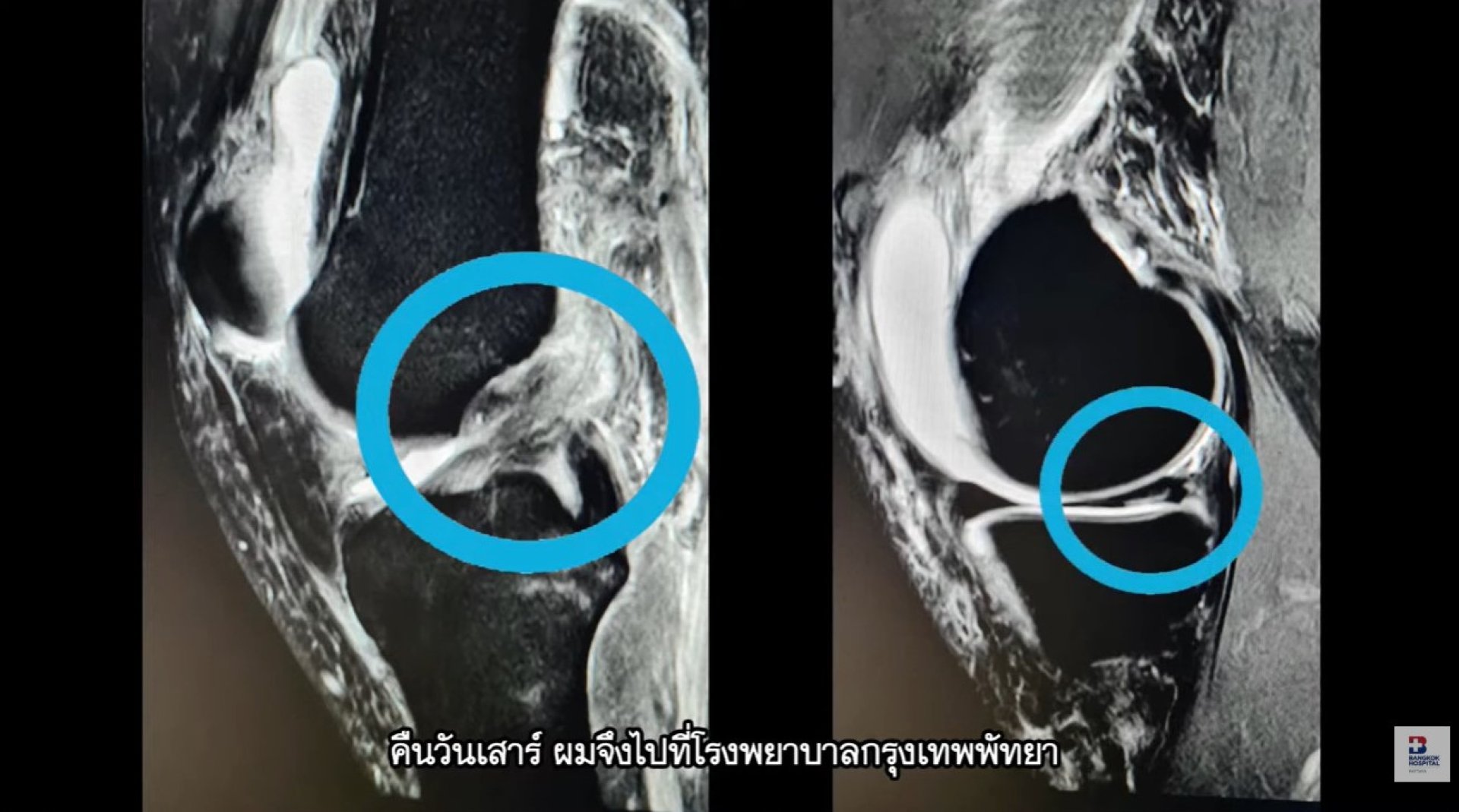
The patient visited the Orthopaedic Surgery Centre at Bangkok Hospital Pattaya. Following a medical examination and MRI scan, doctors identified two injuries: a torn anterior cruciate ligament (ACL) and a ruptured meniscus.
These structures play important roles in knee stability and movement. The ACL helps control knee movement, while the meniscus acts as a cushion between the thighbone and shinbone.
After assessing the injuries, the medical team recommended arthroscopic ACL reconstruction together with meniscus repair to help restore knee function.
Understanding ACL Reconstruction and Meniscus Repair
What Is an ACL Injury?
The anterior cruciate ligament (ACL) is one of the major ligaments inside the knee. It helps stabilise the joint, particularly during activities involving turning, changing direction, jumping, and sudden stops.
An ACL tear can cause knee instability and make sports or everyday activities difficult. Depending on the severity of the injury, activity level, and other knee damage, treatment may involve rehabilitation, surgery, or a combination of both.
What Is Meniscus Repair?
The meniscus consists of two pieces of cartilage that help distribute weight and absorb impact within the knee.
A meniscus tear may cause pain, swelling, restricted movement, or discomfort during physical activity. When the tear is in a suitable location and has a reasonable chance of healing, surgeons may recommend repairing it rather than removing the damaged tissue.
Preserving as much healthy meniscus as possible can help protect the knee joint.
How Does Arthroscopic ACL Reconstruction Work?
Arthroscopic knee surgery is a minimally invasive technique that uses a small camera and specialised instruments inserted through small incisions.
For ACL reconstruction, the surgeon generally replaces the damaged ligament with a tendon graft. The graft may come from the patient's own body or from donor tissue, depending on the treatment plan.
The surgeon may also repair the meniscus during the same operation if the tear is suitable for repair.
Potential Advantages of Arthroscopic Surgery
Arthroscopic techniques may offer several advantages compared with traditional open surgery:
- Smaller surgical incisions
- Less disruption to surrounding soft tissues
- Improved visualisation of structures inside the knee
- Potentially less postoperative discomfort in some patients
However, arthroscopic surgery is still a significant procedure. Recovery time and results depend on the injury, surgical technique, and rehabilitation plan.
Recovery After ACL Reconstruction and Meniscus Repair
Successful treatment involves more than the operation itself. Rehabilitation and follow-up care are essential parts of recovery.
Patients may need physiotherapy to restore knee movement, improve muscle strength, rebuild balance, and regain confidence in the affected leg.
Recovery can take several months. When ACL reconstruction is combined with meniscus repair, the rehabilitation plan may include additional restrictions to protect the healing meniscus.
Returning to cycling, running, waterskiing, or other sports should only happen when the treating specialist confirms that the knee has recovered sufficiently.
Returning to an Active Lifestyle
In the video, the patient describes a positive experience following treatment at Bangkok Hospital Pattaya. The patient reports experiencing no pain and eventually returning to exercise and cycling.
This is an encouraging individual experience, but recovery differs from person to person. No particular result or recovery period can be guaranteed.
The story demonstrates the importance of identifying knee injuries, receiving an appropriate medical assessment, and following a structured rehabilitation programme.
Orthopaedic and Sports Injury Treatment in Thailand
Thailand offers a range of orthopaedic services for local and international patients, including assessment and treatment of sports-related injuries.
For anyone considering ACL reconstruction in Thailand, important questions to discuss with an orthopaedic specialist include:
- What exactly does the MRI show?
- Is ACL reconstruction necessary, or could non-surgical treatment be appropriate?
- Can the meniscus be repaired?
- What type of graft may be used?
- How long will rehabilitation take?
- What restrictions will apply during recovery?
- When might it be safe to travel and return to normal activities?
Choosing a hospital and medical team should involve reviewing specialist qualifications, facilities, treatment options, rehabilitation support, and follow-up arrangements.
Summary
Injury & Emergency Admission: Mr. Russell Southward, an Australian expat living in Pattaya for 12 years, suffered a severe knee injury after landing awkwardly while water skiing at a water park. He was admitted to Bangkok Hospital Pattaya on Saturday night, where an MRI revealed a torn ACL and a meniscus tear.
Injury & Emergency Admission: Mr. Russell Southward, an Australian expat living in Pattaya for 12 years, suffered a severe knee injury after landing awkwardly while water skiing at a water park. He was admitted to Bangkok Hospital Pattaya on Saturday night, where an MRI revealed a torn ACL and a meniscus tear.
Surgical Procedure: Orthopaedic specialists performed an arthroscopic surgery lasting about two hours, utilising a hamstring autograft for ACL reconstruction and an all-inside repair technique for the meniscus. He was discharged after a short two-day hospital stay.
Rehabilitation & Recovery: Following a structured 9-month recovery timeline—which initially involved a knee brace locked in extension and crutches—Mr. Southward successfully regained mobility. Guided by medical advice, he transitioned to low-impact mountain biking and now cycles weekly without pain.
Hospital Evaluation: Mr. Southward highly praises Bangkok Hospital Pattaya from a Westerner's perspective, noting that the facility is fully self-sufficient and staffed by exceptional medical professionals.
Explore Healthcare Options in Thailand with ThaiCureo
At ThaiCureo, we share information about healthcare services and medical travel in Thailand to help international patients understand available options and prepare for discussions with healthcare professionals.
If you are researching orthopaedic treatment or sports injury care, explore our healthcare information and learn more about treatment options in Thailand.
ThaiCureo – Your Trusted Partner in Healthcare and Travel
Medical Disclaimer: This article is for general educational purposes only and is not medical advice. The patient experience described is an individual case and should not be considered a typical or guaranteed outcome. Treatment suitability, surgical risks, recovery time, and results vary. Always consult a qualified orthopaedic specialist.


Related Content

Understand medical treatment costs in Thailand, including hospital fees, treatment packages, travel expenses, insurance, and tips for comparing quotations.
 Thomas K.
21 Oct 2026
Explore hair restoration and hair transplantation in Thailand, including FUE, FUT, non-surgical treatments, recovery and considerations for international patients.
Thomas K.
10 Oct 2026

Learn how robotic-assisted surgery in Thailand provides greater precision, minimally invasive treatment, faster recovery, and world-class care for international patients.
Thomas K.
28 Jun 2026
