Why Expats Trust Thailand’s Healthcare System | ThaiCureo
Last updated: 6 Nov 2026
63 Views
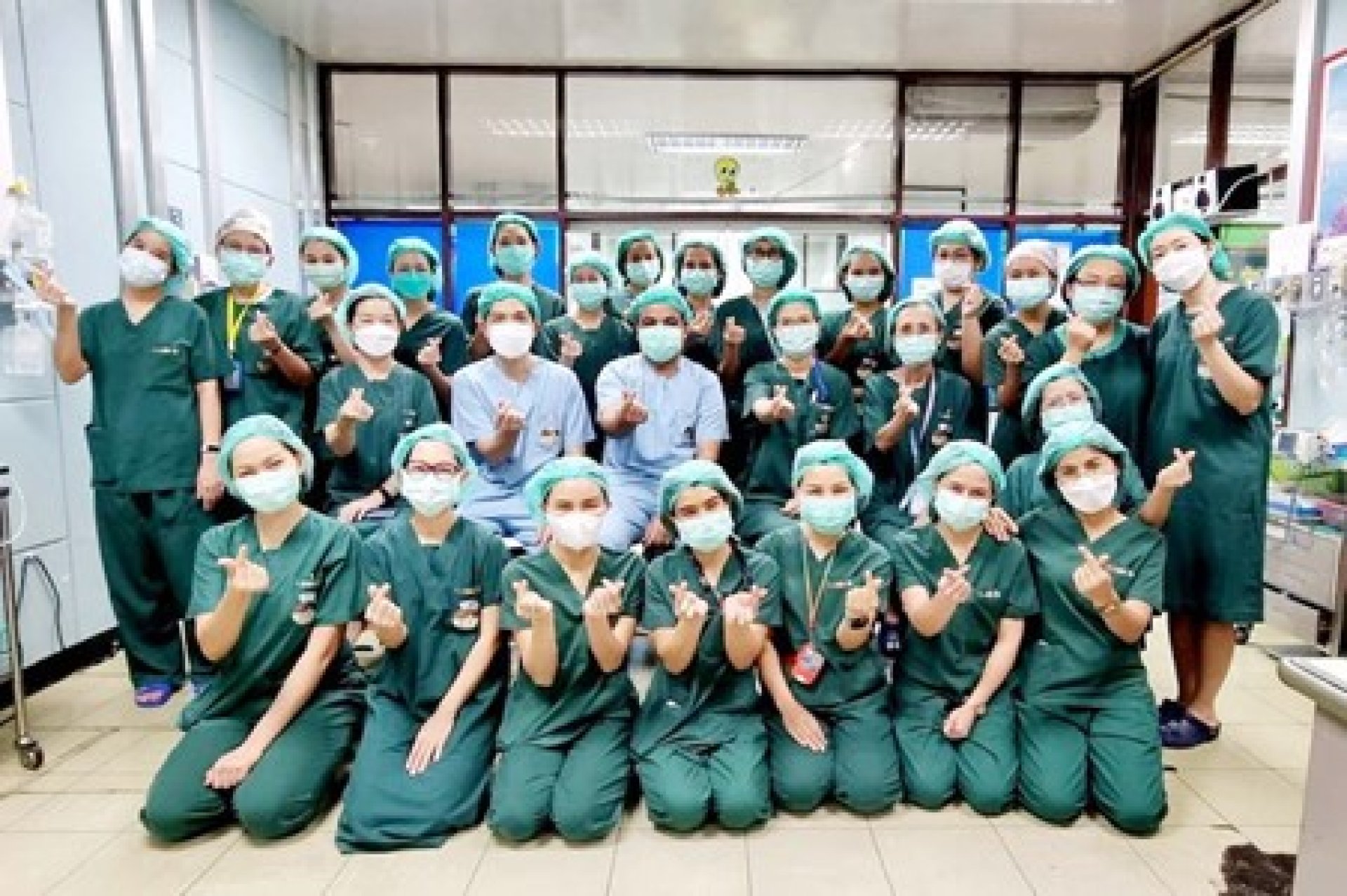
Why Expats Trust Thailand’s Healthcare System
Why Expats Trust Healthcare in Thailand
Thailand has become an established destination for international residents seeking medical care. For many newcomers, learning how healthcare in Thailand works is part of settling into the country. Expats value the combination of public and private healthcare providers, specialist services and hospitals experienced in caring for international patients. For many, healthcare in Thailand offers access to a broad range of medical services while living, working or retiring in the country. Understanding how healthcare in Thailand is organised helps newcomers make realistic choices.
Trust, however, should be based on the suitability of a provider, the qualifications of its medical team, transparent costs and continuity of care—not reputation alone. These principles apply to every decision about healthcare in Thailand.
 Modern Hospitals and Specialist Medical Services
Private Hospitals and International Patient Services
Major private hospitals in Bangkok and other cities often provide specialist departments, diagnostic services and international patient teams. English-speaking staff and assistance with appointments or insurance can make healthcare in Thailand easier to navigate for foreign residents. These services are one reason some expats feel more confident arranging healthcare in Thailand.
Private hospitals generally offer shorter waiting times than many public facilities, although fees are usually higher. Patients should ask for an estimate before planned treatment and confirm what is included. This practical step is useful when navigating healthcare in Thailand.
Public Hospitals and Community Care
Thailand also has a large public hospital network. Public facilities can provide a wide range of services, including specialist and emergency care. They are an important part of healthcare in Thailand, particularly for residents seeking lower-cost options. They are often more affordable, but waiting times may be longer, and English-language support can vary by location. Experiences of healthcare in Thailand therefore differ by facility and region.
The UK Foreign, Commonwealth & Development Office explains these differences and advises foreign nationals to check costs, insurance and hospital arrangements before treatment. Read its Thailand healthcare guidance.

Experienced Doctors and a Wide Range of Specialities
Expats can find doctors and specialist services in areas such as cardiology, orthopaedics, cancer care, dentistry, fertility, rehabilitation and preventive health. Some doctors work across both public and private hospitals.
When choosing healthcare in Thailand, patients should check a doctor's specialist credentials, experience with the relevant condition and the hospital's facilities. This is an essential step when comparing healthcare providers in Thailand. For complex or major treatment, asking for a second opinion may be appropriate.

Healthcare Costs and Insurance: What Expats Should Know
Is Healthcare in Thailand Affordable?
Costs vary significantly between public and private hospitals, and depend on the condition, treatment, room type and length of stay. Anyone budgeting for healthcare in Thailand should request estimates in advance. Private care may be less expensive than comparable services in some Western countries, but it is not automatically inexpensive. Major surgery, intensive care and long hospital stays can still result in substantial bills.
Request an itemised estimate and ask about additional charges, follow-up visits, medication and rehabilitation. Do not choose a provider on price alone. The best approach to healthcare in Thailand balances clinical suitability, communication, cost and continuity.
Health Insurance and Eligibility
Not every foreign resident has automatic access to Thailand's public healthcare benefits. Eligibility depends on factors such as employment status and participation in an applicable scheme. Some formally employed foreign workers may be covered through the Social Security Scheme, while other expats may need employer-provided or private health insurance.
Review exclusions, pre-existing condition rules, annual limits, deductibles, direct-billing arrangements and emergency coverage. Insurance planning is a key part of accessing healthcare in Thailand with confidence. Visa-related insurance requirements can change, so confirm current rules with an official Thai embassy or consulate before applying.
Communication, Technology and Patient Support
Clear communication is essential to safe care. International departments at some private hospitals can help with appointments, interpretation, medical reports and communication with insurers. Digital services may also support appointment booking and access to selected health information. These developments are gradually changing how people interact with healthcare in Thailand.
Nevertheless, patients should confirm that they understand the diagnosis, proposed treatment, risks, costs and follow-up plan. Ask for important documents in English when available, and keep copies of test results and medical reports. Organised records make ongoing healthcare in Thailand easier.
How to Choose the Right Hospital in Thailand
Before arranging treatment, consider these practical steps:
- Check the hospital's licensing, relevant accreditation and specialist services.
- Verify the treating doctor's qualifications and experience.
- Ask for a written treatment plan and itemised cost estimate.
- Confirm insurance coverage and whether the hospital offers direct billing.
- Understand follow-up arrangements, especially if you may travel.
- Keep copies of medical records, prescriptions and test results.
These checks can help expats make informed decisions about healthcare in Thailand and reduce unexpected problems. A little preparation can make healthcare in Thailand easier to navigate.
Emergency Care and Planning Ahead
In a medical emergency, call Thailand's emergency medical hotline at 1669. The UK government notes that this service is part of a countrywide network. Private hospitals may also operate their own ambulance services, sometimes for a fee.
Expats should keep emergency contacts, insurance details, medication information and relevant medical history accessible. Planning is especially important for those new to healthcare in Thailand. Those living outside major cities should also understand how long it may take to reach an appropriate hospital.
Why ThaiCureo Supports Informed Healthcare Choices
Thailand offers many healthcare options, but the right choice depends on each person's medical needs, location, budget and insurance. Good information helps expats approach healthcare in Thailand with realistic expectations. ThaiCureo shares information about hospitals, healthcare services and medical travel to help international readers understand available options and prepare questions for providers.
ThaiCureo is a healthcare and travel information and concierge service—not a hospital or medical provider. We do not diagnose conditions, recommend treatment as a substitute for a doctor, or guarantee medical outcomes.
Explore healthcare information in Thailand with ThaiCureo—your trusted partner in healthcare and travel
Medical Disclaimer: This article is for general information only and is not medical advice. Hospital services, costs, insurance eligibility and visa requirements may change. Confirm details directly with hospitals, insurers and relevant government authorities. Seek advice from a qualified healthcare professional for personal medical decisions.
Suggested links for ThaiCureo:
Healthcare in Thailand
Medical Tourism in Thailand
Hospitals in Thailand
Digital Health Solutions in Thailand
Healthcare in Thailand
Medical Tourism in Thailand
Hospitals in Thailand
Digital Health Solutions in Thailand


Related Content

Learn everything foreign patients need to know about medical tourism in Bangkok, including hospitals, treatments, travel planning, recovery, and healthcare services.
 Thomas K.
25 Jul 2026

Discover why Bangkok is one of Asia's top travel destinations, offering culture, food, shopping, nightlife, wellness tourism, and world-class healthcare.
 Noottie
25 Jun 2026

Learn about total knee arthroplasty in Thailand through a Canadian patient's experience with simultaneous bilateral knee replacement and rehabilitation.
 Petergems
23 Sept 2026
