Neurology Services in Thailand | Brain and Nerve Care
Last updated: 10 Nov 2026
48 Views
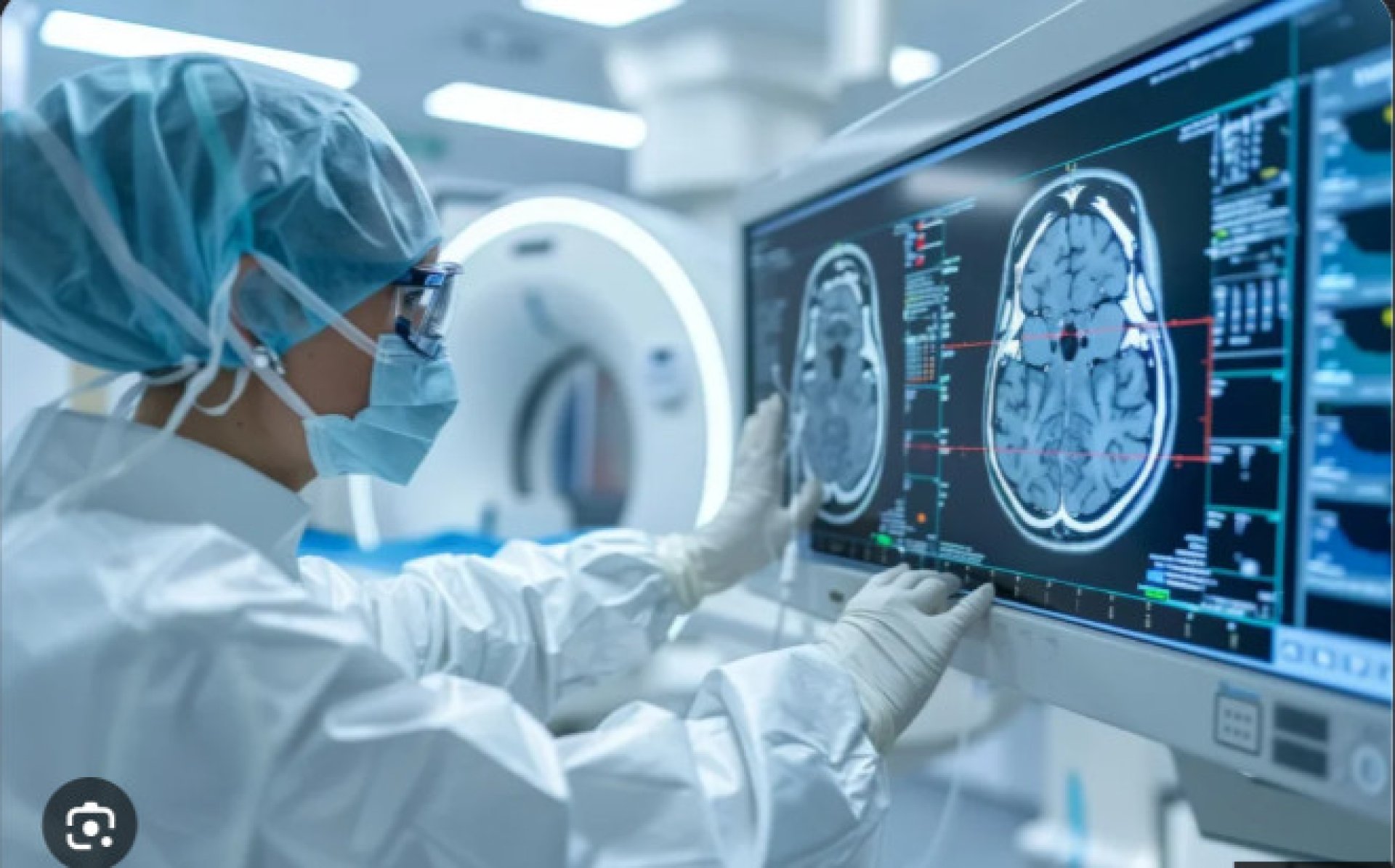
Neurology Services in Thailand: Advanced Care for Brain and Nervous System Conditions
Understanding Neurology Services in Thailand
The brain, spinal cord and nerves control many essential functions, including movement, memory, sensation, speech and coordination. When problems affect these systems, specialist assessment is important.
Thailand has developed a range of specialist medical services for people with neurological conditions. Neurology services in Thailand are available through public university hospitals, specialist institutes and private hospitals in major cities.
Patients can access medical assessment, diagnostic imaging, treatment planning, specialist consultations and rehabilitation, depending on the hospital and their individual needs.
For international patients and expats, neurology services in Thailand may offer access to experienced specialists and modern diagnostic facilities. However, the appropriate hospital depends on the condition, urgency, required treatment and available medical expertise.
What Conditions Do Neurology Services in Thailand Treat?
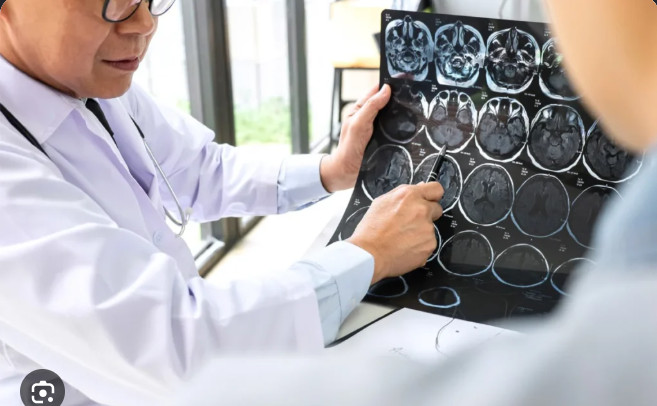
Neurologists diagnose and manage conditions affecting the brain, spinal cord, nerves and muscles. Common areas include the following.
1. Stroke and Cerebrovascular Diseases
A stroke occurs when blood supply to part of the brain is interrupted or when bleeding occurs inside or around the brain. It is a medical emergency requiring immediate assessment.
Hospitals with stroke services may provide brain imaging, specialist evaluation, emergency treatment and rehabilitation.
Neurology services in Thailand include stroke assessment and care at several specialist centres. Treatment options depend on the type of stroke, the time since symptoms began and the patient's medical condition.
2. Epilepsy and Seizure Disorders
Epilepsy is a neurological condition associated with a tendency to experience recurrent seizures. Diagnosis may involve medical history, neurological examination, electroencephalography (EEG) and brain imaging.
Treatment may include medication and, for selected patients whose seizures remain difficult to control, assessment for other specialist treatment options.
3. Parkinson's Disease and Movement Disorders
Parkinson's disease affects movement and may cause tremors, stiffness, slowness of movement and balance difficulties.
Neurologists assess symptoms and develop management plans that may include medication, physiotherapy and other supportive care. Selected patients may be assessed for advanced treatments such as deep brain stimulation.
4. Headaches and Migraine
Frequent headaches and migraine can affect daily activities and quality of life. A neurologist may assess headache patterns, possible triggers, medical history and warning signs.
Treatment depends on the type and frequency of headaches. Patients with sudden, severe or unusual neurological symptoms should seek urgent medical assessment.
5. Dementia and Memory Disorders
Memory problems can have several causes. Neurological assessment may include cognitive testing, laboratory investigations and brain imaging when appropriate.
Specialists can help investigate conditions such as Alzheimer's disease and other forms of dementia, while supporting patients and families with ongoing care planning.
6. Nerve and Neuromuscular Disorders
Neurological conditions may also affect peripheral nerves and muscles. Symptoms can include numbness, tingling, muscle weakness and difficulties with coordination.
Depending on the suspected condition, investigations may include nerve conduction studies, electromyography (EMG), blood tests and imaging.
Advanced Diagnostic Technology in Thai Hospitals
Modern diagnostic technology plays an important role in neurological assessment. Neurology services in Thailand may include access to several types of investigations, depending on the hospital.
MRI and CT Scans
Magnetic resonance imaging (MRI) produces detailed images of the brain and spinal cord. Computed tomography (CT) scans are particularly important in urgent situations, including suspected stroke and head injuries.
Electroencephalography (EEG)
EEG records electrical activity in the brain. It is commonly used when investigating seizures and certain other neurological conditions.
Nerve Conduction Studies and EMG
These tests help assess the function of peripheral nerves and muscles. They may assist doctors in investigating weakness, numbness and suspected nerve disorders.
Advanced Neurosurgical Technology
Some specialist centres offer minimally invasive brain and spine procedures, neuronavigation and advanced surgical techniques. These technologies are used when clinically appropriate and depend on the patient's diagnosis.
Neurology and Neurosurgery: What Is the Difference?
Although the two specialities work closely together, their roles are different.
- Neurology: Focuses mainly on diagnosing and treating neurological conditions through medical management and non-surgical approaches.
- Neurosurgery: Focuses on surgical treatment of selected conditions affecting the brain, spine and nervous system.
Some patients may need both specialties. For example, a person with a brain tumour may receive assessment from a neurologist, neurosurgeon, radiologist and oncologist as part of a multidisciplinary team.
When comparing neurology services in Thailand, patients should confirm whether the hospital has the relevant specialists and supporting departments for their condition.
Neurological Rehabilitation and Long-Term Care
Treatment does not always end when a patient leaves the hospital. Some neurological conditions require ongoing rehabilitation and follow-up.
Rehabilitation may include:
- Physiotherapy to improve strength, movement and balance.
- Occupational therapy to support everyday activities.
- Speech and language therapy where communication or swallowing is affected.
- Cognitive rehabilitation for selected memory and thinking difficulties.
A rehabilitation programme should be planned according to the patient's condition, abilities and recovery goals.
Hospitals Providing Neurology Services in Thailand
Thailand has several public and private medical institutions with neurological or neuroscience services. Examples include:
Bangkok International Hospital – Bangkok
Its Neuroscience Centre provides services covering stroke, epilepsy, Parkinson's disease, headaches, memory disorders and other neurological conditions.
King Chulalongkorn Memorial Hospital – Bangkok
The Chula Neuroscience Centre brings together specialists from neurology, neurosurgery, rehabilitation medicine, radiology and other related disciplines.
Neurological Institute of Thailand – Bangkok
This specialist public institute provides neurosurgical services covering brain tumours, spine conditions, cerebrovascular diseases, movement disorders and neurological emergencies.
These examples are not a ranking or endorsement. Patients should contact each institution to confirm current services, specialist availability, language support and costs.
Why International Patients Consider Neurology Services in Thailand
International patients may consider Thailand for several reasons:
- Access to specialist neurological and neurosurgical departments.
- Availability of diagnostic imaging and other investigations.
- Public and private hospital options.
- International patient departments at selected hospitals.
- Rehabilitation and follow-up services in major medical centres.
Nevertheless, treatment suitability and outcomes vary. Patients should compare medical expertise, facilities, costs, communication and continuity of care rather than choosing a hospital based on reputation alone.
For planned treatment, it is useful to prepare previous medical reports, imaging results, medication lists and a summary of symptoms before arranging a consultation.
How to Choose the Right Neurology Hospital
Before selecting a hospital, consider these questions:
- Does the hospital have specialists experienced in the relevant neurological condition?
- Are the required diagnostic tests and treatment facilities available?
- Can the hospital provide medical reports and communication in English?
- What are the estimated consultation, investigation and treatment costs?
- Is rehabilitation or long-term follow-up available?
- Can the hospital coordinate care with the patient's doctor at home?
These questions can help patients evaluate neurology services in Thailand and make informed decisions with qualified medical professionals.
Explore Neurology Services in Thailand with ThaiCureo
ThaiCureo provides healthcare information and medical travel guidance to help international patients explore hospitals and specialist services in Thailand.
If you are researching neurological assessment, stroke care, brain and spine treatment or rehabilitation, ThaiCureo can help you understand the available healthcare options and prepare questions for medical providers.
ThaiCureo – Your Trusted Partner in Healthcare and Travel
Medical Disclaimer: This article is for general educational purposes only and is not medical advice. Neurological conditions require individual assessment by qualified healthcare professionals. Hospital services, treatment options, costs and outcomes vary. If someone develops sudden facial weakness, arm weakness, speech difficulty or other possible stroke symptoms, seek emergency medical assistance immediately. In Thailand, call 1669 for emergency medical services.


Tags :
Related Content

A French couple injured in a motorcycle accident in Myanmar shares their medical transfer to Samitivej Hospital in Bangkok, treatment experience, and why travel insurance matters.
 Petergems
3 Nov 2026

Discover Thailand's most beautiful temples, including Wat Arun, Wat Pho, Ayutthaya, Doi Suthep, and the White Temple. Explore Thai culture, history, and spirituality.
 Noottie
24 Jun 2026

Discover why medical tourism in Thailand is growing, including healthcare services, medical technology, international patient support and Thailand's Global Health Hub strategy.
Noottie
25 Sept 2026
