Understanding Medical Treatment Costs in Thailand
Last updated: 17 Nov 2026
22 Views

Understanding Medical Treatment Costs in Thailand: A Guide for International Patients
Thailand is a popular destination for people researching consultations, diagnostic tests, surgery, dental care and rehabilitation. However, medical treatment costs in Thailand are not fixed. The final amount depends on the hospital, doctor, diagnosis, treatment plan, length of stay and any additional care required. Understanding medical treatment costs in Thailand means looking beyond an advertised package price and checking exactly what is included.
This guide explains the main factors that affect prices, how public and private hospitals differ, what to ask before accepting a quotation, and how to plan a realistic budget. It is intended as general information, not a price list or a promise of savings.
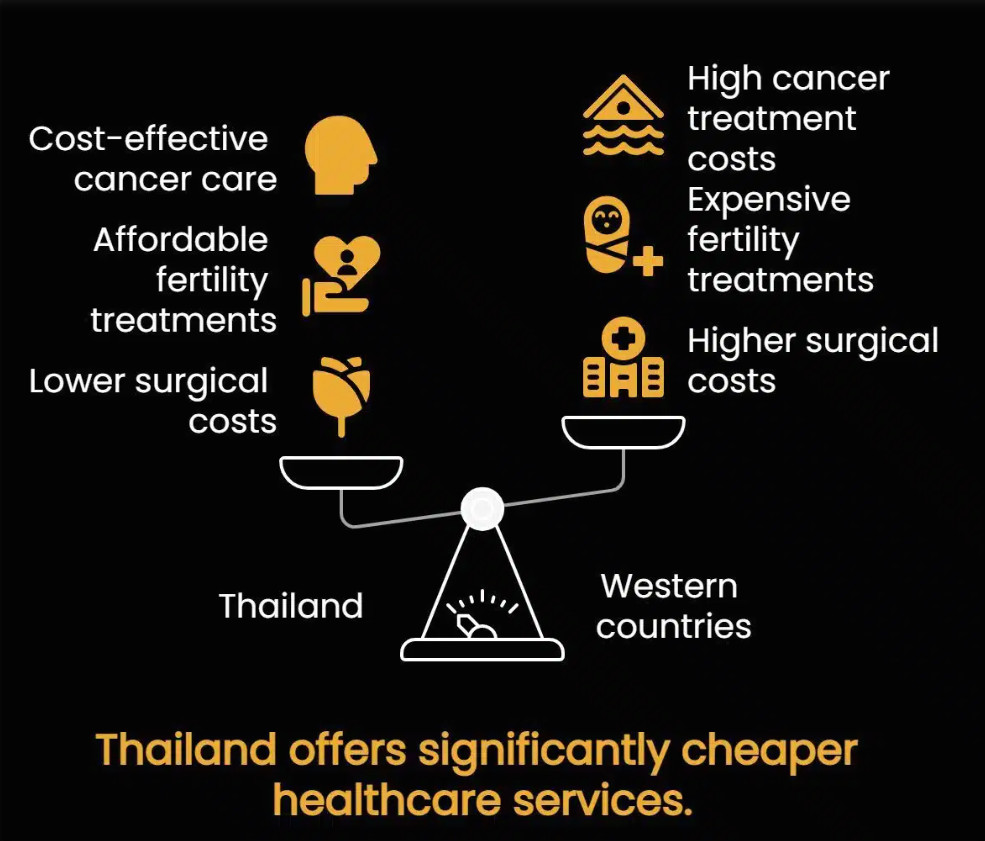
What Influences Medical Treatment Costs in Thailand?
There is no single national price for every procedure. Medical treatment costs in Thailand can differ between hospitals, even when they offer similar services.
1. Public or Private Hospital
Public hospitals generally have lower fees for many services, while private hospitals may charge more for facilities, room choices, international patient support and convenience. Some public hospitals also provide specialist services, but waiting times, language support and eligibility or fee arrangements may differ.
The UK government's guidance notes that costs vary significantly between public and private facilities and that overseas visitors may face different charges. Read its Healthcare and medical services in Thailand guide before travelling.
2. Type and Complexity of Treatment
A consultation, diagnostic scan, day procedure and major operation have very different cost structures. Complex cases may require specialist teams, advanced equipment, intensive care or a longer hospital stay. Medical treatment costs in Thailand therefore depend on the patient's actual clinical needs, not simply the name of a procedure.
3. Doctor, Hospital and Location
Fees can vary according to a doctor's speciality and experience, the hospital's facilities, its location and the level of service selected. Private hospitals set their own prices, and market positioning can affect quotations. The International Bar Association's Thailand healthcare financing survey explains that private-sector prices are influenced by factors including reputation, service quality, location and competition.
4. Medicines, Implants and Medical Supplies
Medication, implants, laboratory tests, medical devices and consumables may be billed separately. For surgery, ask whether the quotation includes the implant or prosthesis, anaesthesia, operating room, surgeon and assistant fees, and post-operative medication.
5. Length of Stay and Recovery
A longer admission can increase room, nursing, medication and investigation charges. If rehabilitation or follow-up appointments are needed, include them in the overall budget. A package based on an uncomplicated recovery may not cover additional days or unexpected care.
Medical Treatment Costs in Thailand: Public vs Private Hospitals
Choosing between a public and private facility is one of the most important decisions when estimating medical treatment costs in Thailand.
Public hospitals may offer more affordable care, particularly for routine consultations and treatment. However, services for overseas visitors, waiting times, language support and payment arrangements vary by facility.
Private hospitals may offer more appointment flexibility, international patient coordinators, private rooms and a wider range of published packages. These services can come at a higher price. The US Department of State also advises travellers that medical care in Thailand is not free and that hospitals may require payment or proof of insurance.
Neither sector is automatically the right choice for every patient. Consider the clinical requirements, hospital capabilities, communication needs and total estimated bill.
How to Compare Hospital Quotations
When comparing medical treatment costs in Thailand, request written quotations from the hospitals you are considering. A clear quotation should identify the proposed treatment and the services included.
Ask each hospital:
- Does the estimate include the specialist consultation and pre-operative assessment?
- Are laboratory tests, imaging, medicines and medical supplies included?
- Are anaesthesia, operating room and surgeon fees included?
- Are implants or special devices included, if required?
- How many hospital nights are covered?
- What charges apply if the admission is longer than expected?
- Are follow-up visits and rehabilitation included?
- What happens if the treatment plan changes after further tests?
Compare like with like. A lower headline figure may exclude important items, while a more comprehensive package may include services listed separately elsewhere. Medical treatment costs in Thailand should be assessed using the same assumptions, inclusions and exclusions.
Understanding Package Prices and Extra Charges
Some hospitals publish fixed-price packages for selected health checks, procedures or maternity services. Packages can make planning easier, but they usually apply only to defined patient groups and clinical circumstances.
Read the package conditions carefully. Check its validity dates, eligibility criteria, room category, included tests, exclusions and whether the price changes if a doctor recommends additional care. Ask for clarification in writing if any item is unclear.
For medical treatment costs in Thailand, do not assume that a package covers complications, extra hospital nights, blood products, specialist consultations or treatment for unrelated conditions. Confirm how additional charges are calculated before admission whenever possible.
Insurance, Deposits and Payment
Before travelling, contact your insurer to confirm whether your policy covers treatment in Thailand. Ask about pre-authorisation, direct billing, deductibles, co-payments, exclusions and any requirement to use a particular hospital.
If you are paying yourself, ask the hospital how much deposit is required and when the balance must be settled. Some hospitals may request payment before admission or discharge. The US Department of State Thailand travel information advises travellers to check overseas medical coverage and consider whether medical evacuation is covered.
Travel insurance is not necessarily the same as insurance for planned treatment abroad. Read the policy carefully and obtain written confirmation from the insurer.
Budgeting for Medical Travel
A realistic budget for medical treatment costs in Thailand should include more than the hospital's initial estimate.
Consider these categories:
- Medical consultations, tests and treatment
- Medicines, devices and medical supplies
- Hospital accommodation and any extra nights
- Flights and local transport
- Accommodation for the patient and companion
- Meals and daily expenses
- Interpreter or coordination services, if needed
- Rehabilitation and follow-up appointments
- Travel changes if recovery takes longer than expected
Do not book non-refundable travel until the treating hospital has reviewed the case and advised whether travel is appropriate. After surgery, a doctor may recommend a period of recovery before flying or undertaking certain activities.
Questions to Ask Before You Choose a Hospital
To understand medical treatment costs in Thailand, ask for both clinical and financial information. Confirm who will be responsible for care, what alternatives are available, what risks may affect the estimate and how follow-up will be managed after you return home.
Ask for the name and credentials of the treating specialist, the hospital's relevant experience, a written treatment plan and an itemised estimate. If you receive different recommendations, consider discussing them with your regular doctor or seeking another qualified medical opinion.
The cheapest quotation should not be the only deciding factor. Patient safety, the suitability of the proposed treatment, the medical team's experience and continuity of care are essential.
How ThaiCureo Can Help
ThaiCureo is a healthcare and travel information and coordination service managed by Verasinthob Co., Ltd. It is not a hospital or medical provider. We help people explore healthcare options in Thailand and understand practical arrangements when considering medical travel.
If you are comparing medical treatment costs in Thailand, ThaiCureo can help you identify relevant hospital information and prepare questions to ask providers. Hospitals and treating doctors remain responsible for diagnosis, treatment recommendations and final quotations.
Visit ThaiCureo to explore healthcare and travel information about Thailand.
Medical Disclaimer
This article is for general information only and is not medical, financial or insurance advice. Prices and services can change and vary according to individual circumstances. Obtain a current written quotation from the hospital and confirm insurance coverage directly with your insurer. Always consult qualified healthcare professionals about diagnosis and treatment decisions.





Related Content

Discover how advanced endoscopic spine surgery in Thailand helped one international patient find relief after 14 years of chronic back pain. Learn about minimally invasive spine care and recovery.
 Petergems
15 Jul 2026

Explore popular medical procedures in Thailand, from dental care and orthopaedic surgery to cancer treatment, fertility services, and preventive health screening.
 Thomas K.
4 Nov 2026

Explore Mayo Clinic's new research into zombie cells, cellular senescence, chronic inflammation, and possible future approaches to healthy aging.
Thomas K.
3 Nov 2026
