Early Cancer Detection in Thailand: A Patient's Story
Last updated: 16 Nov 2026
31 Views
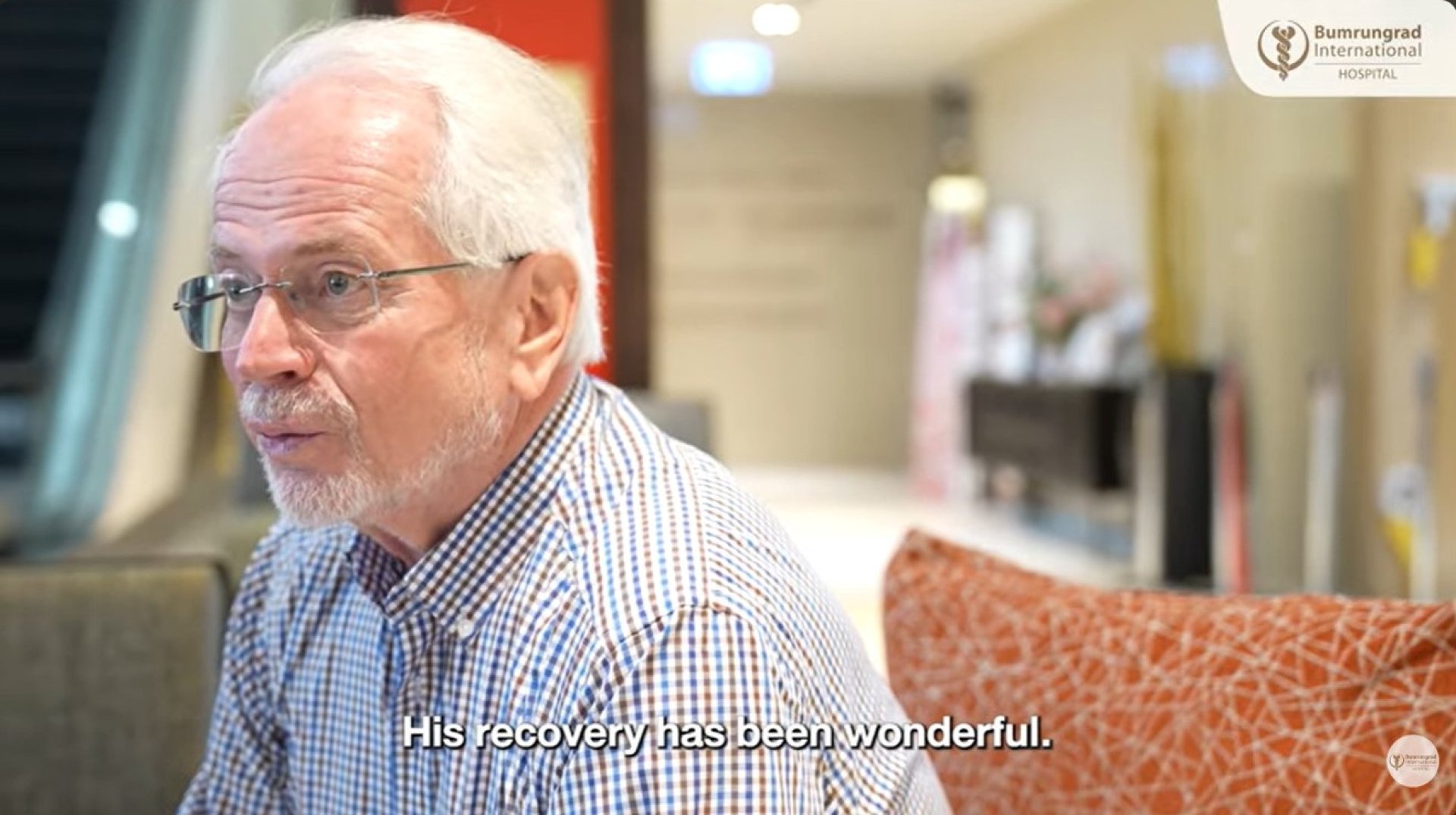
Hope, Health & Second Chances: A Journey with Early Cancer Detection in Thailand
At 71, Dr. Joerg Udo Ostertag had spent decades working in global healthcare leadership. He understood the importance of medical care, yet he did not expect to become a cancer patient himself. As he explains in his video, routine health checks in Thailand led to further investigations that identified an early-stage cancer.
After receiving specialist care at Bumrungrad International Hospital in Bangkok, under the guidance of Clinical Associate Professor Dr. Tossapol Kerdsirichairat, he describes being cancer-free following minimally invasive treatment. His experience offers an important message: early cancer detection can create opportunities for timely assessment and treatment. It is one person's story, and every patient's diagnosis and treatment pathway is different.
A Routine Health Check That Made a Difference
Dr. Ostertag's story began with regular health check-ups. Although he felt well, a routine assessment identified a result that required further investigation. Additional examinations led to the diagnosis of an early-stage adenocarcinoma.
This is an important aspect of early cancer detection: some cancers may not cause noticeable symptoms in their early stages. Screening and follow-up tests can sometimes identify an abnormality before a person feels unwell. However, not every health check detects every cancer, and screening tests have limitations.
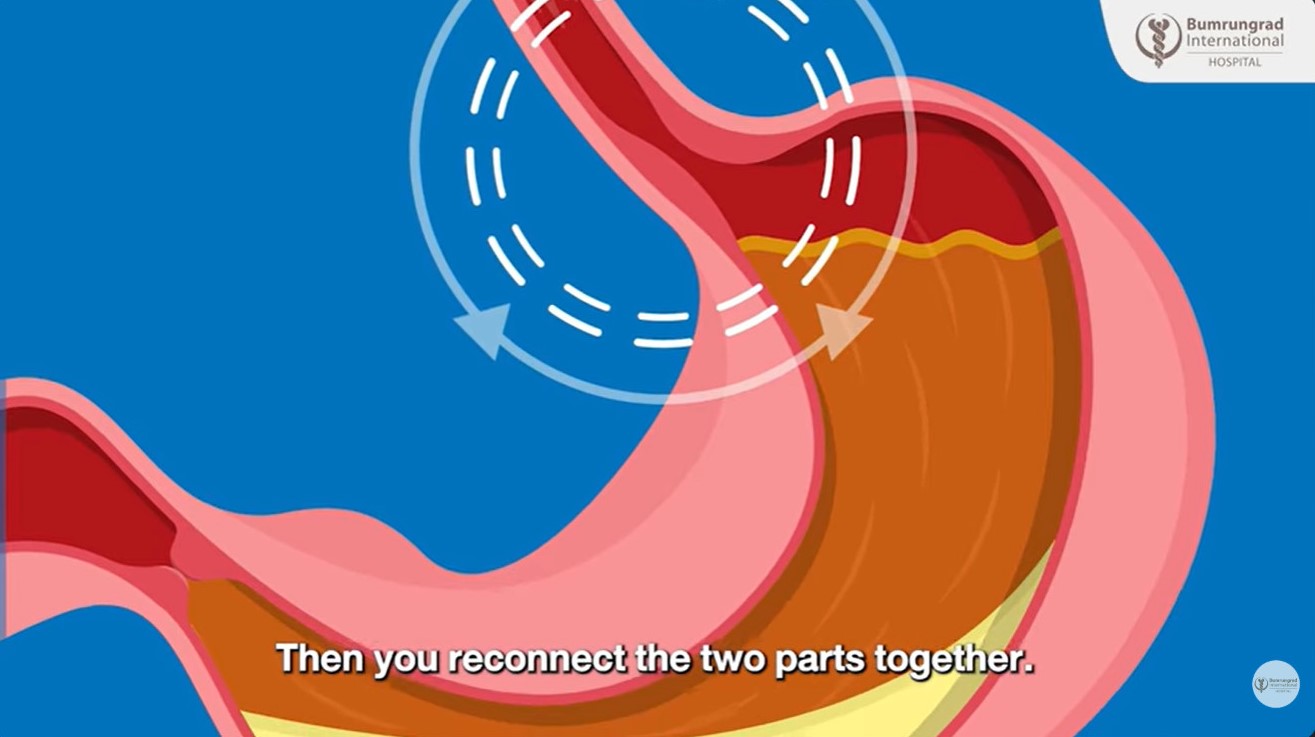
Bumrungrad's published account describes further gastrointestinal investigations, followed by specialist assessment in Bangkok. The hospital reports that Dr. Tossapol recommended an advanced endoscopic procedure to remove the cancerous tissue while preserving surrounding organs. The account says that additional treatment addressed precancerous cells.
Early Cancer Detection in Thailand: Why Screening and Follow-Up Matter
Early cancer detection is not one single test or package. It is a process that may include understanding personal risk, choosing appropriate screening tests, investigating abnormal results and arranging follow-up.
The right approach depends on factors such as age, family history, previous medical conditions, lifestyle and national or professional screening recommendations. A doctor can help determine which tests are appropriate and when they should be repeated.
Screening Is Different from Diagnosis
A screening test is generally offered to people who do not have symptoms, to look for signs of a particular cancer or precancerous change. A diagnostic test is used when symptoms, screening results or other findings need further investigation.
A positive screening result does not automatically mean that a person has cancer. Further assessment may be needed, such as imaging, endoscopy or biopsy. Likewise, a normal result does not guarantee that cancer is absent or will not develop later.
Tests Depend on the Type of Cancer and Individual Risk
Depending on a person's circumstances and local guidance, screening may involve tests such as mammography, cervical screening, colorectal screening or low-dose CT for certain people at increased risk of lung cancer. There is no single test that screens reliably for every type of cancer.
Blood tests and tumour markers may be used in particular clinical situations, but they are not universal cancer screening tests. Patients should ask what a test can and cannot show before choosing a screening package.
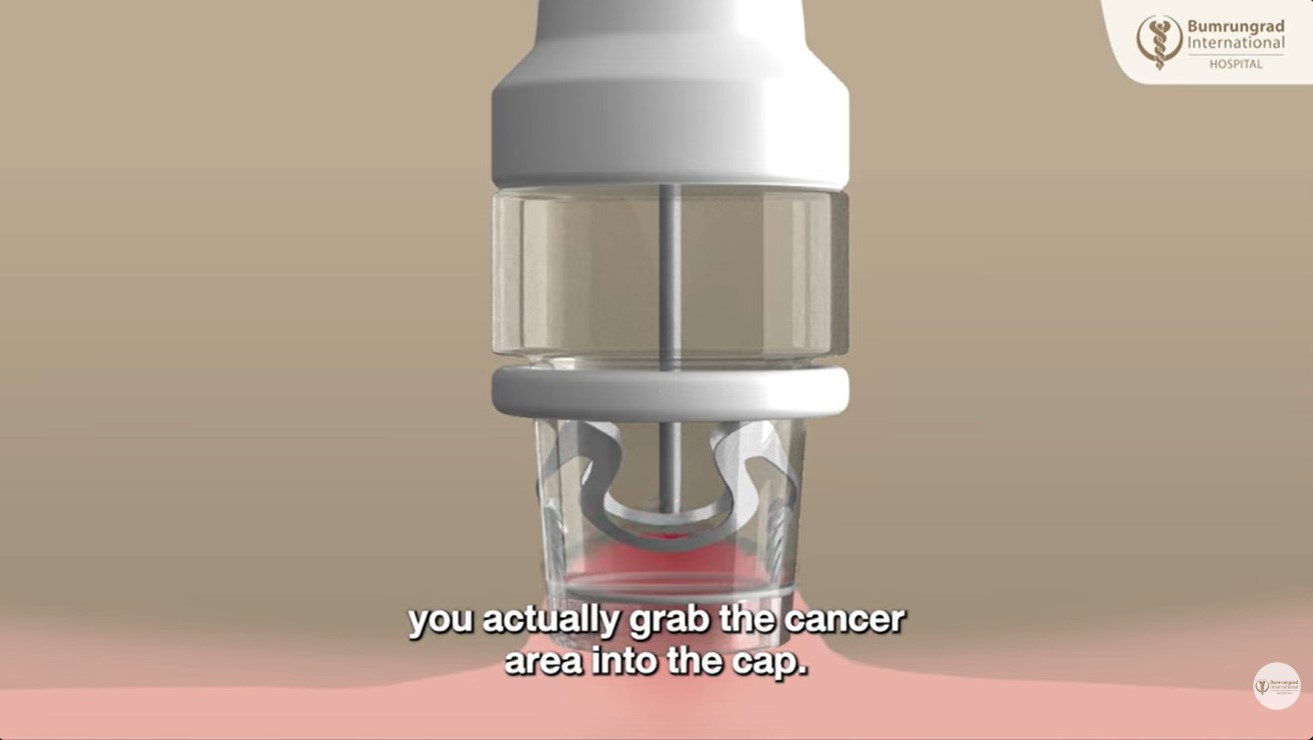
Minimally Invasive Endoscopic Treatment at Bumrungrad
According to Bumrungrad's published patient account, Dr. Ostertag's cancer was treated with an advanced endoscopic technique rather than major surgery. Endoscopic procedures use specialised instruments and a camera passed through the body's natural openings to examine and, in selected cases, treat areas of the digestive tract.
The exact technique and its suitability depend on the lesion's location, size, depth, and characteristics, as well as the patient's overall health. Not every early cancer can be removed endoscopically. Some patients may need surgery, chemotherapy, radiotherapy or a combination of treatments.
The hospital's account describes a successful outcome for Dr. Ostertag. His experience should not be taken as typical or as a guarantee that treatment will be equally straightforward for another person.
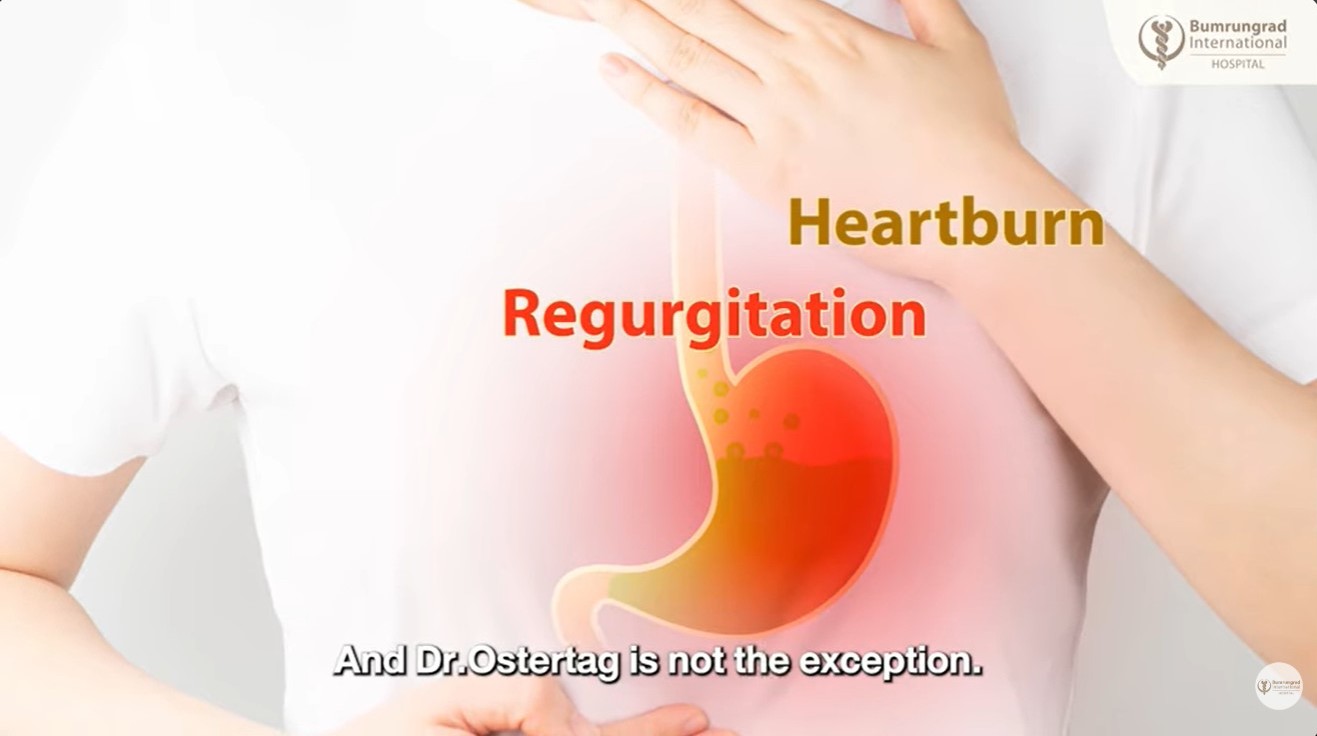
Choosing a Hospital for Cancer Screening and Treatment in Thailand
People researching early cancer detection in Thailand may wish to compare hospitals based on more than the screening package price. Important questions include:
- Which specialist will review the results?
- Are the recommended tests appropriate for my age and personal risk?
- What happens if a result is abnormal?
- Is diagnostic follow-up available at the same hospital?
- Who will explain the benefits, limitations and possible harms of each test?
- Can medical records and pathology reports be provided for a second opinion?
- What are the estimated costs of further investigation and treatment?
Bumrungrad International Hospital publishes information about its Health Screening Centre and cancer screening services. These pages can help readers understand the types of screening programmes the hospital offers, but a doctor should determine which tests are suitable for an individual.
A Message for International Patients
Thailand is a destination that some international patients consider for health checks and specialist consultations. When arranging care abroad, patients should bring previous medical records, a list of current medicines and relevant family history. They should also ask how results will be communicated and how follow-up can be arranged after returning home.
Early cancer detection in Thailand may be part of a broader preventive health plan, but travelling for screening is not necessary or appropriate for everyone. Screening should be based on personal risk and recognised medical guidance, not simply on the number of tests included in a package.
The Message: Stay Informed and Discuss Screening with Your Doctor
Dr. Ostertag's experience is a reminder to take preventive health seriously and to follow up on medical advice, even when feeling healthy. His story also shows the importance of specialist assessment and an individual treatment plan.
The most useful lesson is not that everyone needs every available test. It is that early cancer detection should be discussed with a qualified healthcare professional who can explain which screening options are recommended, what their limitations are and what to do if a result needs further investigation.
Summary
Patient Background & Detection: Dr. Joerg Udo Ostertag, a 71-year-old German expatriate and former pharmaceutical executive living in Thailand, discovered an early-stage adenocarcinoma (Stage 0/1) during a routine annual health checkup and subsequent colonoscopy.
Patient Background & Detection: Dr. Joerg Udo Ostertag, a 71-year-old German expatriate and former pharmaceutical executive living in Thailand, discovered an early-stage adenocarcinoma (Stage 0/1) during a routine annual health checkup and subsequent colonoscopy.
Referral to Bumrungrad International Hospital: Promptly advised by his physicians in Chiang Mai, he was referred to Bumrungrad International Hospital in Bangkok under the care of Dr. Tossapon to evaluate advanced treatment options.
Minimally Invasive Treatment: Due to the early detection, doctors successfully treated his condition using advanced endoscopic intervention (utilising full-thickness resection and radiofrequency ablation) without requiring major open surgery, abdominal incisions, chemotherapy, or radiation.
Message on Prevention & Gratitude: Dr. Ostertag expresses deep gratitude to Dr. Tossapon and the Bumrungrad medical team, emphasises the life-saving importance of regular annual health checkups, and encourages patients facing similar diagnoses to maintain hope.
How ThaiCureo Can Help
ThaiCureo is a healthcare and travel information and coordination service managed by Verasinthob Co., Ltd. It is not a hospital or medical provider. We help people explore healthcare options in Thailand and understand practical arrangements when considering medical travel.
If you are researching early cancer detection in Thailand, ThaiCureo can help you find relevant hospital information and prepare questions for healthcare providers. Diagnosis, screening recommendations and treatment decisions must come from qualified medical professionals.
Visit https://www.thaicureo.com/ to explore healthcare and travel information about Thailand.
Medical Disclaimer
This article is for general information only and is not medical advice. Screening has benefits, limitations and possible harms, and recommendations vary by cancer type, age, personal history and country. A normal screening result does not rule out all cancer. Discuss individual screening decisions and any concerning symptoms with a qualified healthcare professional.


Tags :
Related Content

Explore Thailand's most beautiful national parks and nature reserves, from Khao Sok and Khao Yai to Doi Inthanon, Erawan, and Thailand's stunning marine parks.
 Noottie
1 Sept 2026

Discover Rachel's breast augmentation journey from Australia to Thailand and learn why international patients choose Thailand for cosmetic surgery and medical tourism.
 Petergems
24 Jun 2026

Discover Mr. Jess's journey with water vapour therapy for an enlarged prostate and learn about minimally invasive BPH treatment options in Thailand.
Petergems
25 Aug 2026
