Endoscopic Discectomy in Thailand | Minimally Invasive Spine Surgery
Last updated: 18 Nov 2026
17 Views
Minimally Invasive Endoscopic Discectomy in Thailand: Relieving Neck Pain and Restoring Hand Function
A Patient Story: From Neck Pain to Improved Hand Function
Neck pain can affect much more than the neck itself. When a spinal disc presses on nearby nerves, symptoms may travel into the shoulder, arm, or hand. Some people experience tingling, numbness, pain, or weakness that makes everyday activities difficult.
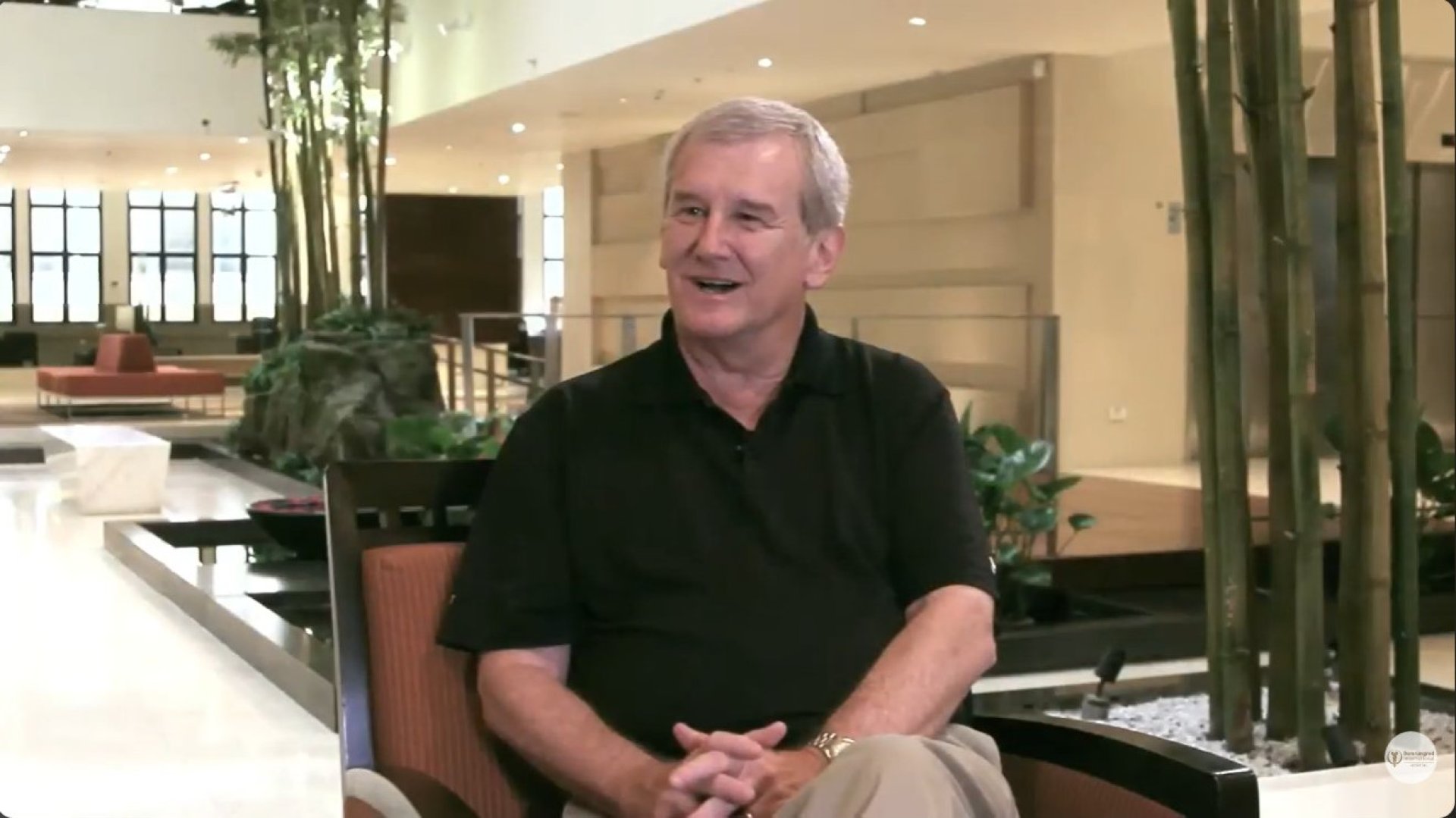
A video published by Bumrungrad International Hospital shares the experience of an American expatriate who had neck pain and problems with the function of his left hand. The patient underwent endoscopic discectomy, a minimally invasive spine procedure performed with Dr. Verapan Kuansongtham at the Bumrungrad Spine Institute in Bangkok.
According to the hospital's account, the procedure helped relieve his neck pain and restore the function of his left hand.
This story highlights how specialist assessment and modern surgical techniques may help selected patients with cervical disc problems. However, every patient's condition is different, and individual results cannot be guaranteed.
What Is Cervical Disc Herniation?
The cervical spine is the part of the spine located in the neck. It consists of seven vertebrae separated by soft discs that act as cushions and allow the neck to move.
A disc may become damaged or develop a herniation, allowing some of its inner material to move beyond its normal position. If this material presses on a nearby nerve, it can cause a condition known as cervical radiculopathy.
Common symptoms may include:
- Neck pain or stiffness
- Pain travelling into the shoulder or arm
- Tingling or numbness in the fingers
- Weakness in the arm or hand
- Difficulty with certain hand movements
Symptoms depend on which nerve is affected and how severely it is compressed. Not every person with a cervical disc herniation needs surgery. Some people improve with non-surgical treatment.
What Is Minimally Invasive Endoscopic Discectomy?
Endoscopic discectomy is a surgical technique that uses a small camera and specialised instruments to reach the affected area of the spine.
The endoscope allows the surgeon to view the surgical area on a monitor. Through a small incision, the surgeon can use specialised instruments to remove the portion of disc material responsible for compressing a nerve, when this approach is appropriate for the patient's condition.
For selected patients, endoscopic discectomy may offer several potential advantages compared with some traditional open procedures:
Smaller Surgical IncisionThe procedure uses a relatively small incision to access the affected area. This may reduce disruption to surrounding soft tissues.
Less Muscle Disruption
The endoscopic approach is designed to reach the treatment area while limiting unnecessary disturbance to nearby muscles and tissues.
Potentially Shorter Recovery
Some patients may benefit from a shorter hospital stay and earlier movement. However, recovery depends on the diagnosis, the exact procedure, the patient's health, and the surgeon's instructions.
Direct Visual Guidance
The endoscope provides the surgeon with a magnified view of the operating area, helping guide the procedure.
These potential benefits do not mean that endoscopic surgery is always better than other surgical methods. The most appropriate technique depends on the individual patient's condition.
How Can a Cervical Disc Problem Affect the Hand?
The nerves that control sensation and movement in the arms and hands originate from the cervical spinal region.
When a cervical disc presses on one of these nerves, the patient may experience symptoms beyond the neck. Depending on the affected nerve, these may include pain, numbness, tingling, or muscle weakness.
For example, nerve compression may make it difficult to grip objects, perform fine movements, or use the hand normally.
This helps explain why treating a cervical spine problem may improve symptoms in the arm or hand as well as neck discomfort.
However, hand weakness can have other causes. A proper medical examination is important before attributing symptoms to a spinal disc problem.
Who May Be Suitable for Endoscopic Discectomy?
Endoscopic discectomy may be considered for selected patients whose symptoms and medical investigations indicate that a herniated disc is compressing a nerve.
A spine specialist will normally review:
- The patient's symptoms and medical history
- A physical and neurological examination
- MRI or other appropriate imaging
- Previous treatments and their results
- The location and severity of nerve compression
- The patient's general health and surgical risks
Depending on the diagnosis, initial treatment may include medication, physical therapy, activity adjustments, or other non-surgical options.
Surgery may be discussed when symptoms continue despite appropriate treatment or when clinical findings indicate a need for surgical intervention.
Not every cervical disc condition is suitable for an endoscopic approach. Some patients may need another type of operation, such as anterior cervical discectomy and fusion (ACDF), or a different treatment plan.
Meet Dr. Verapan Kuansongtham at Bumrungrad Spine Institute
The patient story features Dr. Verapan Kuansongtham, a spine surgeon at Bumrungrad International Hospital in Bangkok.
His published professional profile lists qualifications in neurosurgery and specialist training in minimally invasive and full-endoscopic spine surgery. His work also includes research and teaching related to spinal procedures.
The Bumrungrad Spine Institute provides assessment and treatment for a range of spinal conditions, including cervical disc herniation, neck pain, spinal stenosis, and other spine-related problems.
Patients considering treatment should contact the hospital directly to confirm current services, consultation availability, costs, and the suitability of a particular procedure.
Choosing Spine Treatment in Thailand
Thailand is a destination for international patients seeking specialist medical care. Hospitals in Bangkok offer a range of spine services, from diagnostic assessment and non-surgical treatment to minimally invasive procedures and more complex spinal operations.
When considering endoscopic discectomy in Thailand, international patients should look beyond the name of the procedure. Important questions include:
- Does the surgeon regularly treat this specific spinal condition?
- Why is an endoscopic approach recommended?
- What alternative treatments are available?
- What are the possible complications and limitations?
- What is included in the hospital's treatment quotation?
- How long might the patient need to remain in Thailand?
- What follow-up and rehabilitation arrangements will be needed after returning home?
A clear treatment plan should explain the expected benefits, possible risks, recovery arrangements, and any alternatives before the patient makes a decision.
How ThaiCureo Can Help with Medical Travel Planning
At ThaiCureo, we believe clear healthcare information helps people make better-informed decisions.
We help international patients explore healthcare options in Thailand and understand practical arrangements such as hospital enquiries, travel planning, accommodation, and local support.
If you are researching spine treatment, you may also find our related article useful:
This article shares another patient's experience with endoscopic spine surgery at Bumrungrad International Hospital.
ThaiCureo is a healthcare and travel information and coordination service, not a hospital or medical provider. We do not diagnose medical conditions, prescribe treatment, or guarantee surgical results. Patients should discuss their individual needs with qualified medical professionals.
Frequently Asked Questions About Endoscopic Discectomy
What is endoscopic discectomy?
Endoscopic discectomy is a minimally invasive surgical procedure that uses a small camera and specialised instruments to remove disc material that is compressing a spinal nerve, when appropriate for the patient's condition.
Can endoscopic discectomy help with neck pain?
It may help selected patients whose neck pain is related to a cervical disc herniation and nerve compression. A specialist must first identify the cause of the symptoms.
Can cervical disc surgery improve hand weakness?
If hand weakness is caused by nerve compression in the cervical spine, treating the underlying problem may improve function in some patients. The degree of recovery depends on several factors, including the severity and duration of nerve compression.
Is endoscopic discectomy the same as open spine surgery?
No. Endoscopic procedures use a small camera and specialised instruments through a relatively small incision. Traditional open procedures generally involve a different surgical approach. The best method depends on the patient's diagnosis and surgical requirements.
How long does recovery take?
Recovery varies from patient to patient. The procedure type, the patient's health, and the severity of the original condition all affect recovery time. The treating surgeon should provide individual guidance.
Conclusion: Modern Spine Care and a More Informed Choice
The American expatriate's experience at Bumrungrad International Hospital demonstrates how a cervical spine condition can affect both neck comfort and everyday hand function.
Endoscopic discectomy is one of the minimally invasive techniques available for selected patients with herniated discs and nerve compression. When carefully assessed and appropriately performed, it may help relieve symptoms while limiting disruption to surrounding tissues.
For anyone considering spine treatment in Thailand, the most important first step is a thorough assessment by an experienced specialist, followed by a clear discussion of treatment options, benefits, risks, and recovery expectations.
Medical Disclaimer: This article is intended for general educational purposes only. It is not a substitute for professional medical advice, diagnosis, or treatment. Patient experiences are individual and do not predict the results of other patients. Always consult a qualified spine specialist about your own condition.
Summary of Main Points
Patient Background & Symptoms: Mr. William Snider, an American expatriate living in Manila for over 25 years, suffered from severe back pain that radiated down his arm and into his left hand, eventually resulting in muscle weakness and cramping that severely impacted his daily life.
Patient Background & Symptoms: Mr. William Snider, an American expatriate living in Manila for over 25 years, suffered from severe back pain that radiated down his arm and into his left hand, eventually resulting in muscle weakness and cramping that severely impacted his daily life.
Choosing Bumrungrad International Hospital: Encouraged by positive recommendations from friends who previously received care at Bumrungrad, Mr. Snider researched online, connected with the Bumrungrad Spine Institute, and promptly secured a consultation with spine specialist Dr. Vorapon.
Surgical Treatment: Dr. Vorapon performed a targeted minimally invasive posterior cervical spine procedure to decompress the pinched nerve root without requiring spinal fusion.
Rapid Recovery & Results: Recovery was exceptionally fast; Mr. Snider regained hand strength within hours of the operation, was discharged within 24 hours, and was able to walk nine holes on a golf course shortly after.




Tags :
Related Content

Discover how Thailand is leading healthcare innovation through AI, robotic surgery, precision medicine, digital health, and advanced medical technologies.
 Thomas K.
24 Jun 2026

Learn about LK101, an investigational personalised neoantigen mRNA-DC cancer vaccine being studied for advanced solid tumours and cancer immunotherapy.
Thomas K.
22 Sept 2026

Discover how advanced arthroscopic hip surgery in Thailand helped one Canadian patient recover from a hip labrum tear and femoroacetabular impingement with expert orthopaedic care.
 Petergems
30 Jun 2026
