Advanced Medical Technology in Thailand | Modern Hospitals
Last updated: 10 Nov 2026
64 Views
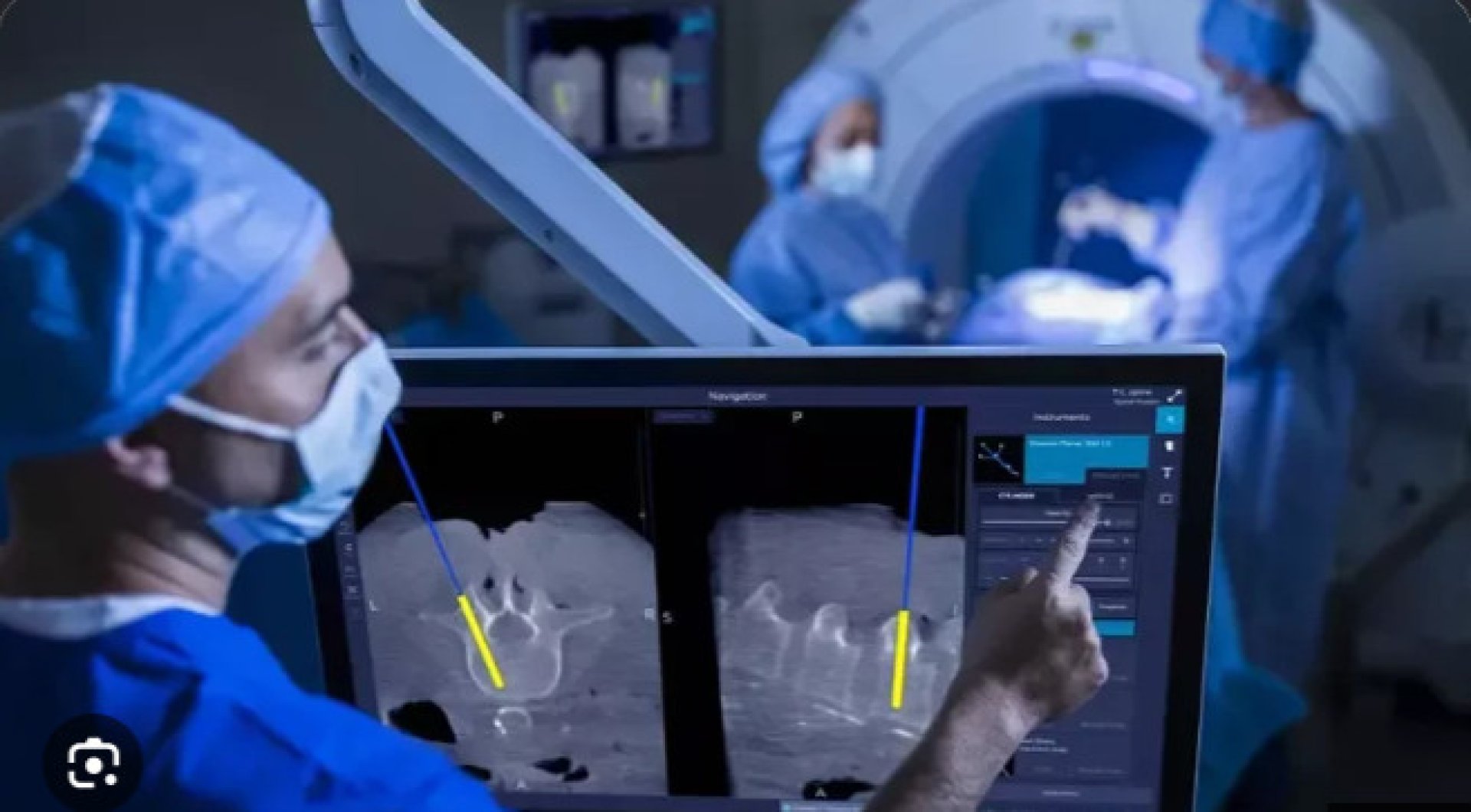
The Role of Advanced Technology in Thailand’s Hospitals
How Advanced Medical Technology in Thailand Is Transforming Healthcare
Thailand's hospitals are increasingly adopting modern medical equipment and digital systems to improve diagnosis, treatment planning and patient services. Advanced medical technology in Thailand is becoming an important part of the country's healthcare development, supporting both public hospitals and private medical centres.
From robotic-assisted surgery to artificial intelligence (AI), advanced imaging and precision medicine, these developments are changing how healthcare professionals approach complex medical conditions.
The purpose of advanced medical technology in Thailand is not to replace doctors. It is to provide medical teams with additional tools to support clinical decisions, improve treatment planning and deliver more coordinated patient care.
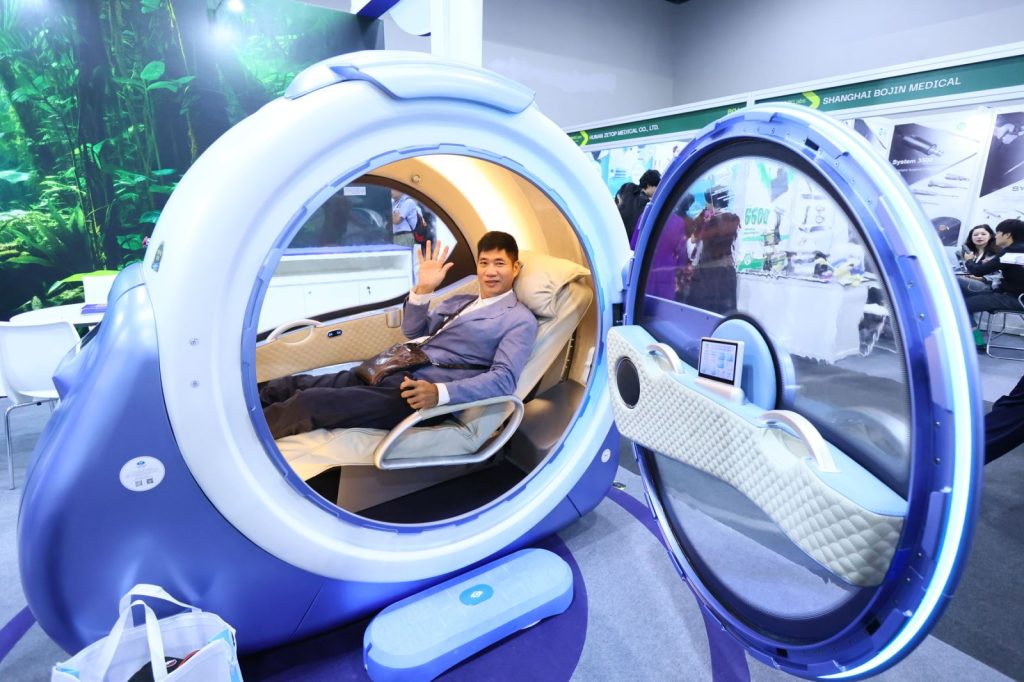
Key Examples of Advanced Medical Technology in Thailand
1. Robotic-Assisted Surgery
Robotic-assisted surgery is one of the most visible developments in modern hospitals. It allows surgeons to control specialised instruments through a computer-assisted system, often using magnified three-dimensional views of the surgical area.
Potential advantages include improved instrument control, smaller incisions in suitable procedures and more precise movements. However, benefits depend on the operation, the patient's condition and the surgeon's experience.
Thailand's public healthcare sector is also expanding this field. In August 2026, Thailand reported its first domestic robotic telesurgery, connecting medical teams in Bangkok and Nakhon Ratchasima for a prostate cancer operation over a distance of more than 250 kilometres. Read the Thai Government announcement.
2. Artificial Intelligence in Medical Diagnosis
Artificial intelligence is becoming an important support tool in medical imaging and diagnosis.
AI systems can help analyse X-rays, CT scans and other medical images by identifying patterns that may require a doctor's attention. They may also help healthcare professionals prioritise cases and review large amounts of information.
For example, Thailand's Siriraj Hospital has developed AI technology for chest X-ray interpretation. A 2026 KPMG report describes its use across a network of hospitals, demonstrating how advanced medical technology in Thailand is moving beyond major medical centres.
AI does not replace a qualified radiologist or physician. Medical professionals must interpret findings in the context of the patient's symptoms, history and other test results.
3. Advanced Medical Imaging
Modern imaging equipment helps doctors examine the body's internal structures and identify abnormalities.
Common technologies include:
- MRI: Produces detailed images of soft tissues, joints, the brain and spinal structures.
- CT scanning: Provides detailed cross-sectional images of organs and other body structures.
- PET-CT: Combines metabolic and anatomical imaging and is used in selected cancer assessments.
- 3D imaging: Helps clinicians understand complex anatomy and plan certain procedures.
Access to suitable imaging technology can support more informed treatment decisions. However, the appropriate scan depends on the patient's medical needs and should be selected by a qualified professional.
4. Precision and Personalised Medicine
Precision medicine uses information such as genetic characteristics, medical history and other biological factors to help guide selected treatment decisions.
In cancer care, for example, molecular testing may identify specific changes in a tumour that could influence treatment options. This approach can help doctors consider therapies that are more closely matched to an individual's condition.
Advanced medical technology in Thailand is also developing through research and the wider use of genomic medicine. Not every patient requires genetic testing, and the availability of treatments depends on the diagnosis and clinical evidence.
5. Digital Healthcare and Telemedicine
Digital healthcare connects patients, hospitals and healthcare professionals through electronic systems.
Services may include electronic medical records, online appointments, telemedicine consultations, digital test results and remote patient monitoring.
These tools can make follow-up care more convenient and help authorised medical teams access relevant information. They are particularly useful for some patients who live far from specialist hospitals.
Thailand's government has also highlighted the role of digital health systems, AI and robotics in improving healthcare access across different regions.
6. Advanced Rehabilitation Technology
Technology is also supporting recovery after surgery, injuries and certain neurological conditions.
Examples include robotic-assisted gait training, computer-guided exercise systems and rehabilitation equipment that helps therapists monitor movement and progress.
Thammasat University Hospital lists robotic-assisted gait training and robotic technologies among its medical technology services. These systems support rehabilitation professionals, but individual recovery programmes still need to be designed around each patient's needs.
How Technology Can Benefit International Patients
For international patients exploring advanced medical technology in Thailand, modern equipment may offer access to additional diagnostic and treatment options.
Potential benefits include:
- Access to specialist medical services and diagnostic facilities.
- More detailed imaging for selected conditions.
- Computer-assisted techniques for certain surgical procedures.
- Digital communication and follow-up services.
- Treatment planning supported by multiple medical specialists.
However, advanced equipment alone does not guarantee better outcomes. The experience of the medical team, hospital standards, appropriate patient selection and follow-up care are equally important.
Patients should ask hospitals which technologies are available, whether they are suitable for their condition and what evidence supports the proposed treatment.
Choosing a Hospital with Advanced Medical Technology
When comparing hospitals, patients should consider more than the equipment on display.
Important questions include:
- Is the technology appropriate for the specific medical condition?
- How experienced is the doctor in using the equipment?
- Is the procedure supported by established clinical evidence?
- What are the potential risks, alternatives and expected recovery requirements?
- Are rehabilitation and follow-up services available?
- What is the complete estimated cost?
These questions help patients evaluate advanced medical technology in Thailand realistically and make informed decisions with qualified healthcare professionals.
The Future of Advanced Medical Technology in Thailand
Thailand is continuing to develop its healthcare capabilities through medical research, digital systems, AI and robotic-assisted procedures.
Government initiatives are also looking at ways to extend specialist services beyond major cities. The development of robotic telesurgery, for example, demonstrates how technology may help connect medical expertise across geographical distances.
As these developments continue, advanced medical technology in Thailand may contribute to more connected healthcare services and wider access to specialist expertise. Successful implementation will depend on clinical training, patient safety, reliable infrastructure and responsible investment.
Discover Healthcare and Medical Innovation with ThaiCureo
ThaiCureo provides information about hospitals, medical services and healthcare travel in Thailand. We help international readers explore available options and prepare questions for healthcare providers.
Whether you are researching specialist surgery, diagnostic services, rehabilitation or modern hospital facilities, ThaiCureo aims to make healthcare information easier to understand.
ThaiCureo – Your Trusted Partner in Healthcare and Travel
Medical Disclaimer: This article is for general educational purposes only and is not medical advice. The availability, suitability, benefits and risks of medical technologies vary by hospital and patient. Consult qualified healthcare professionals before making medical decisions.


Tags :
Related Content
Discover why medical tourism in Thailand is growing, including healthcare services, medical technology, international patient support and Thailand's Global Health Hub strategy.
 Noottie
25 Sept 2026
Discover Eddy’s prostate cancer journey in Thailand, from a PSA blood test and early diagnosis to robotic-assisted surgery at BNH Hospital in Bangkok.
 Petergems
28 Oct 2026

Discover Thailand's most beautiful temples, including Wat Arun, Wat Pho, Ayutthaya, Doi Suthep, and the White Temple. Explore Thai culture, history, and spirituality.
Noottie
24 Jun 2026
